Learning Toys – Hands-On Skills for Curious Kids | JoyCat

Learning Toys

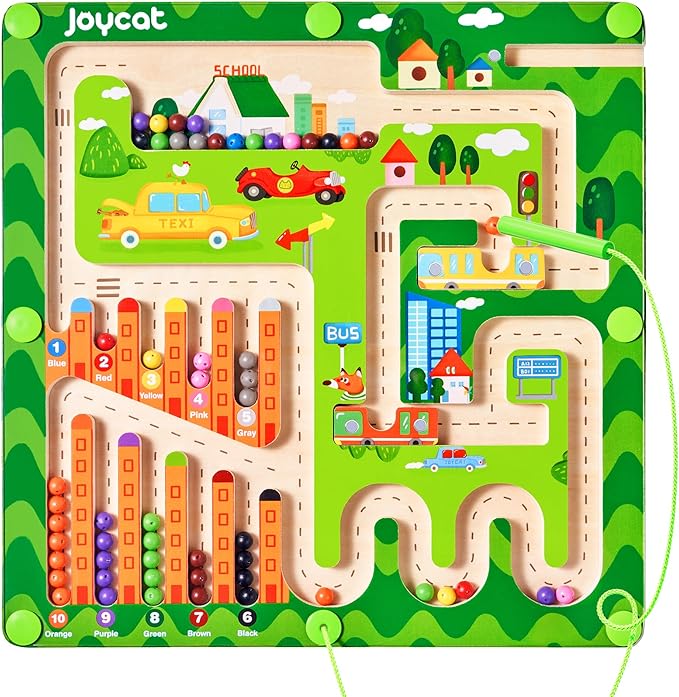
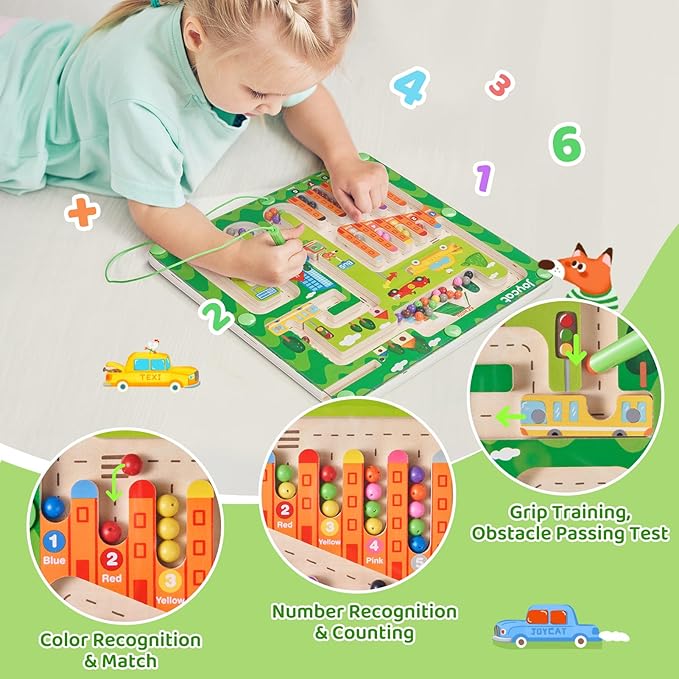
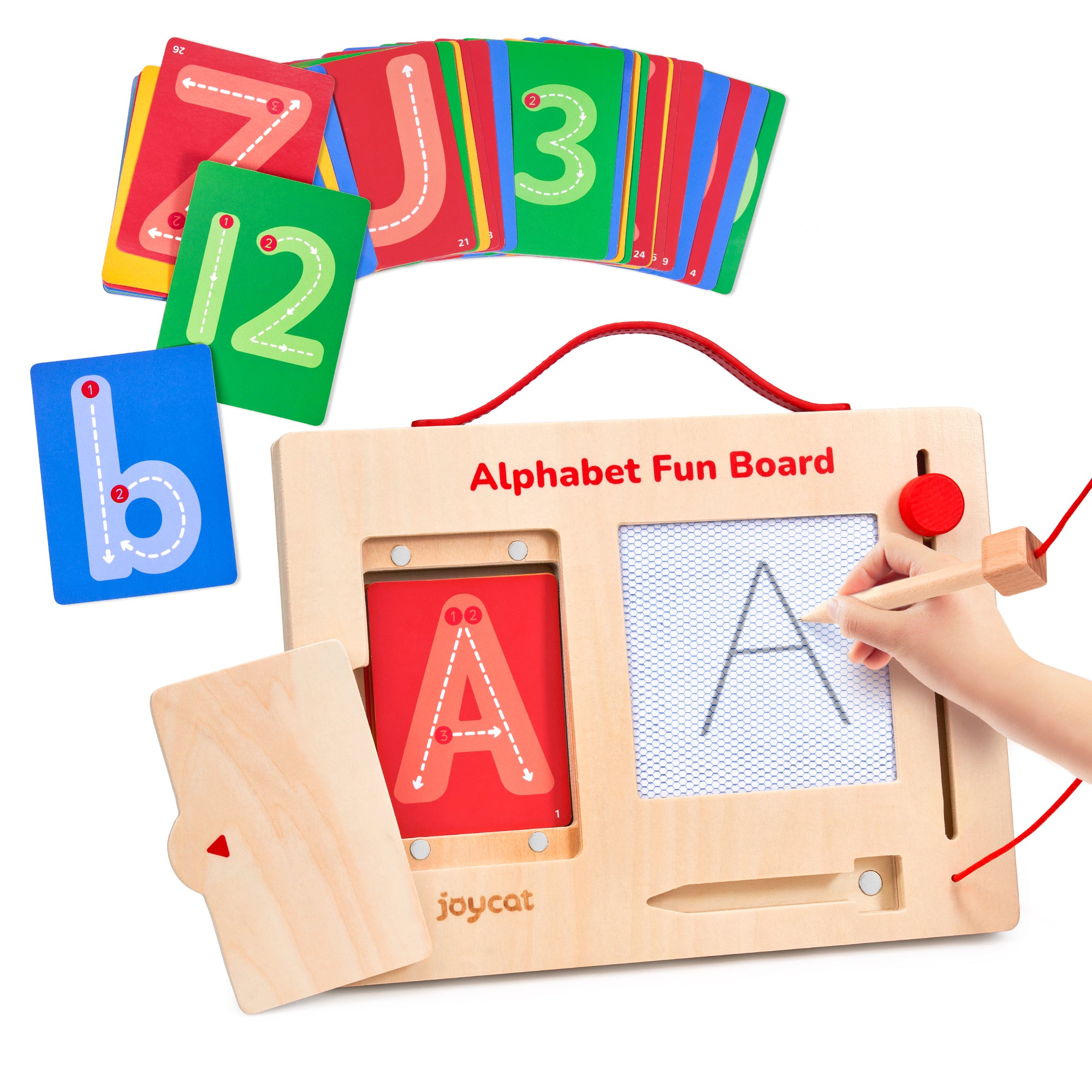
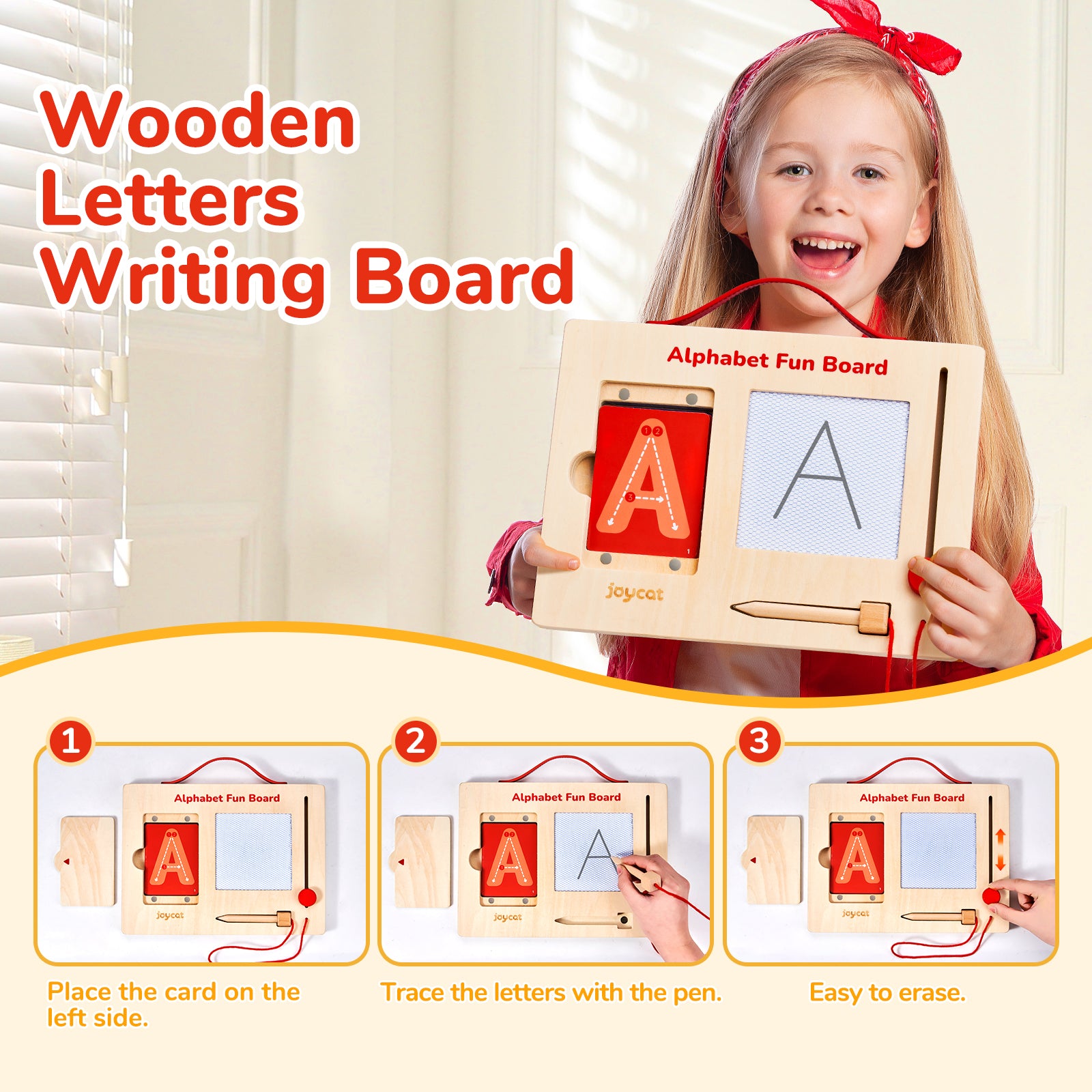
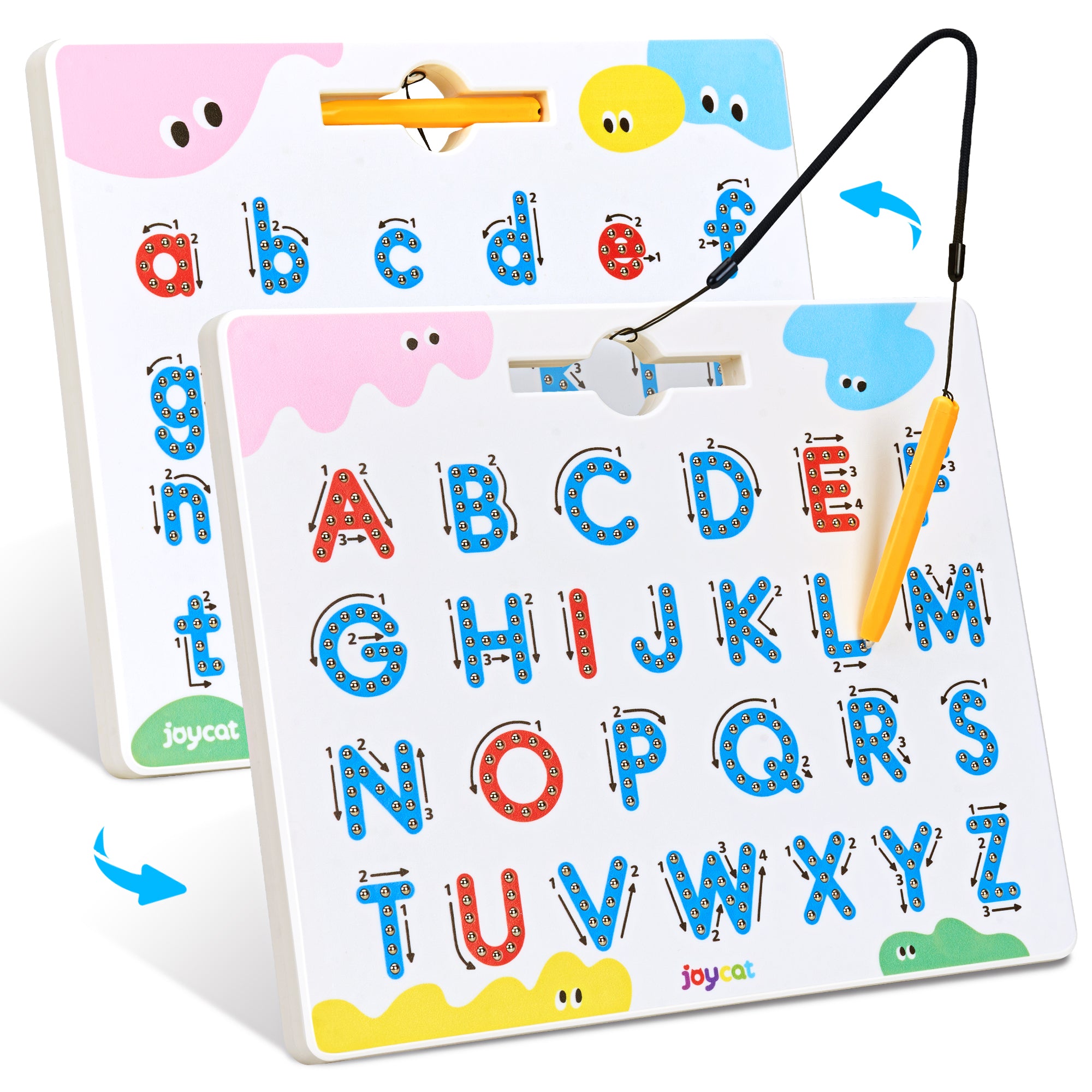
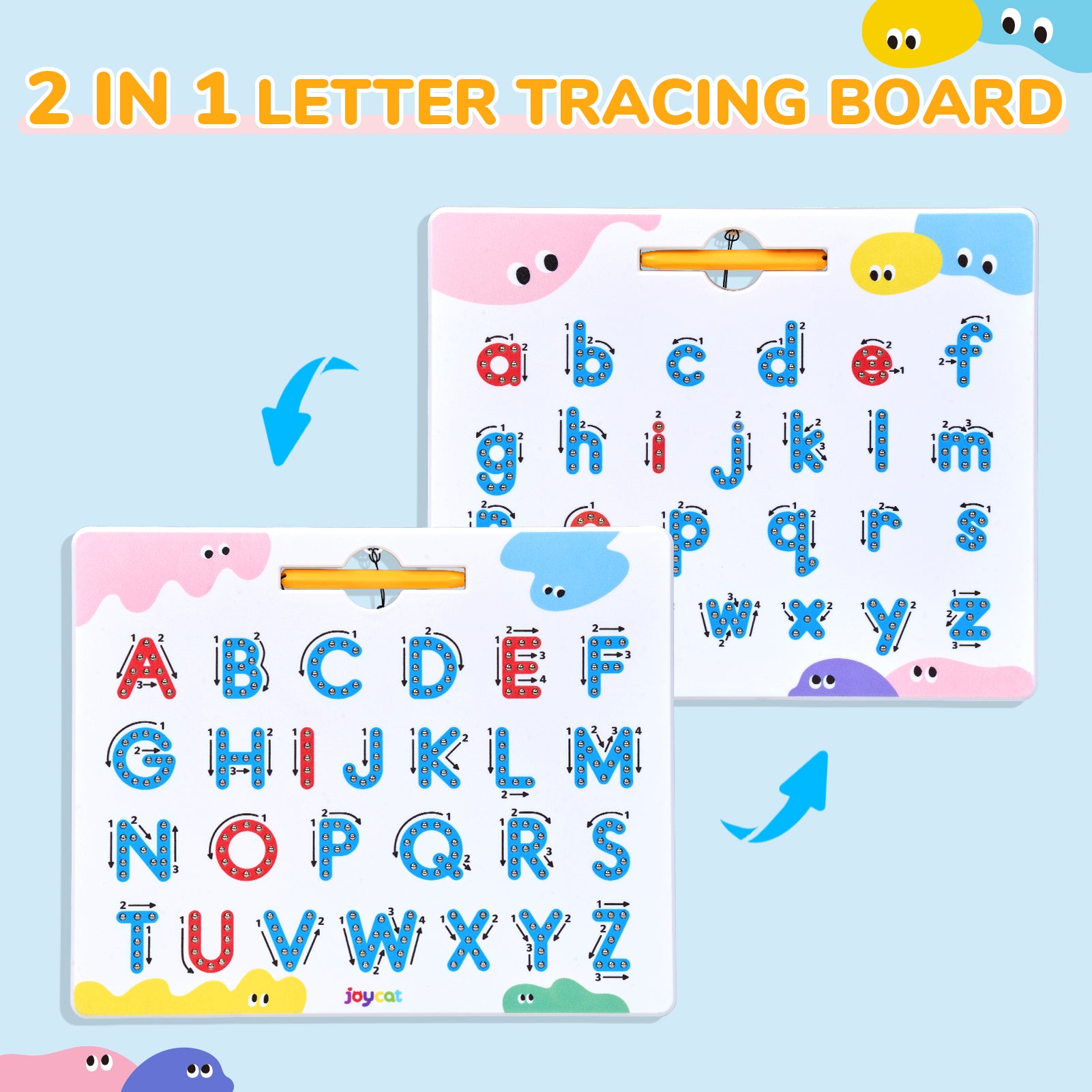
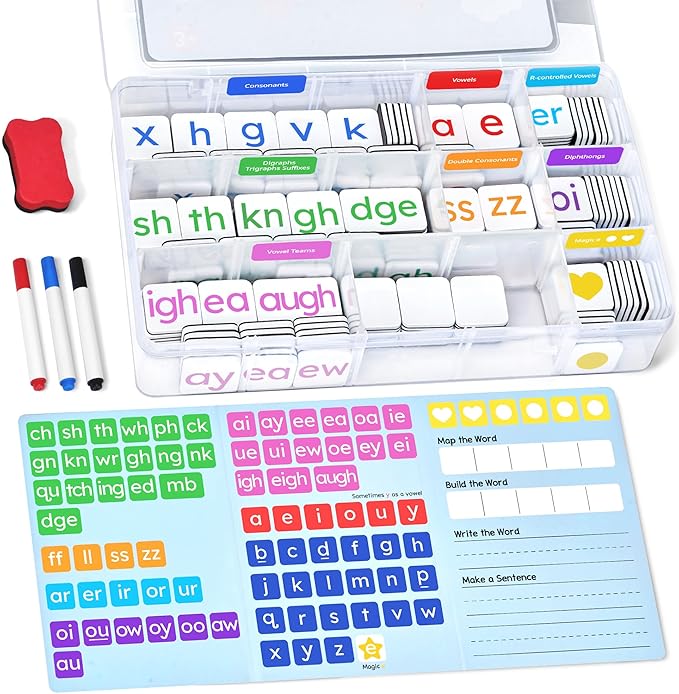
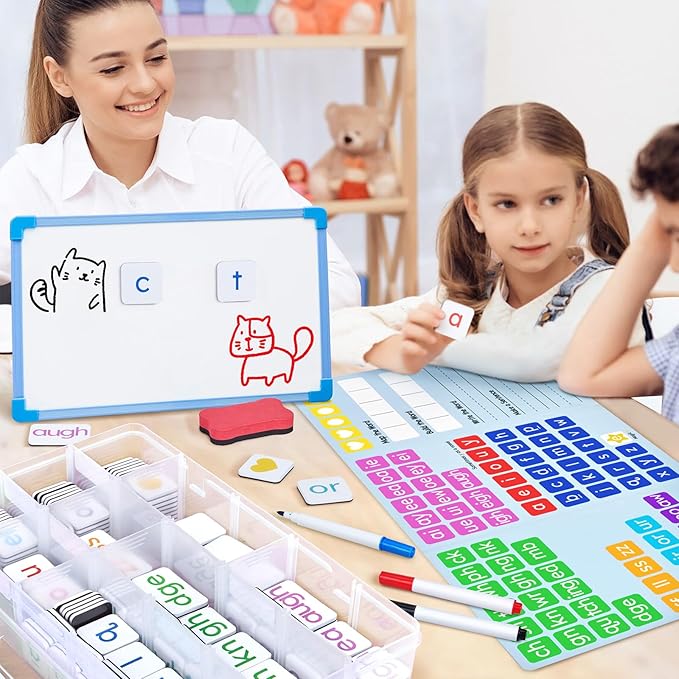
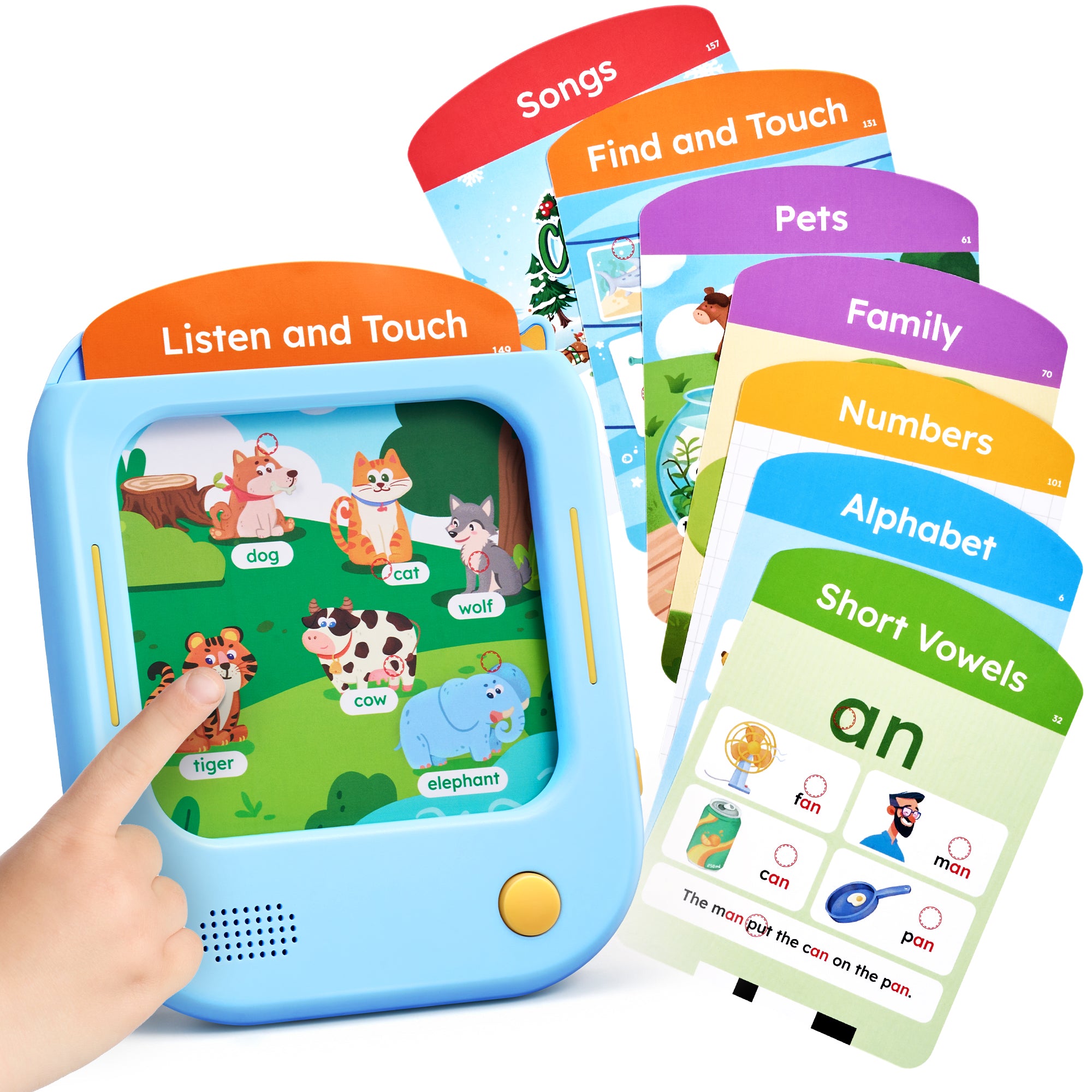
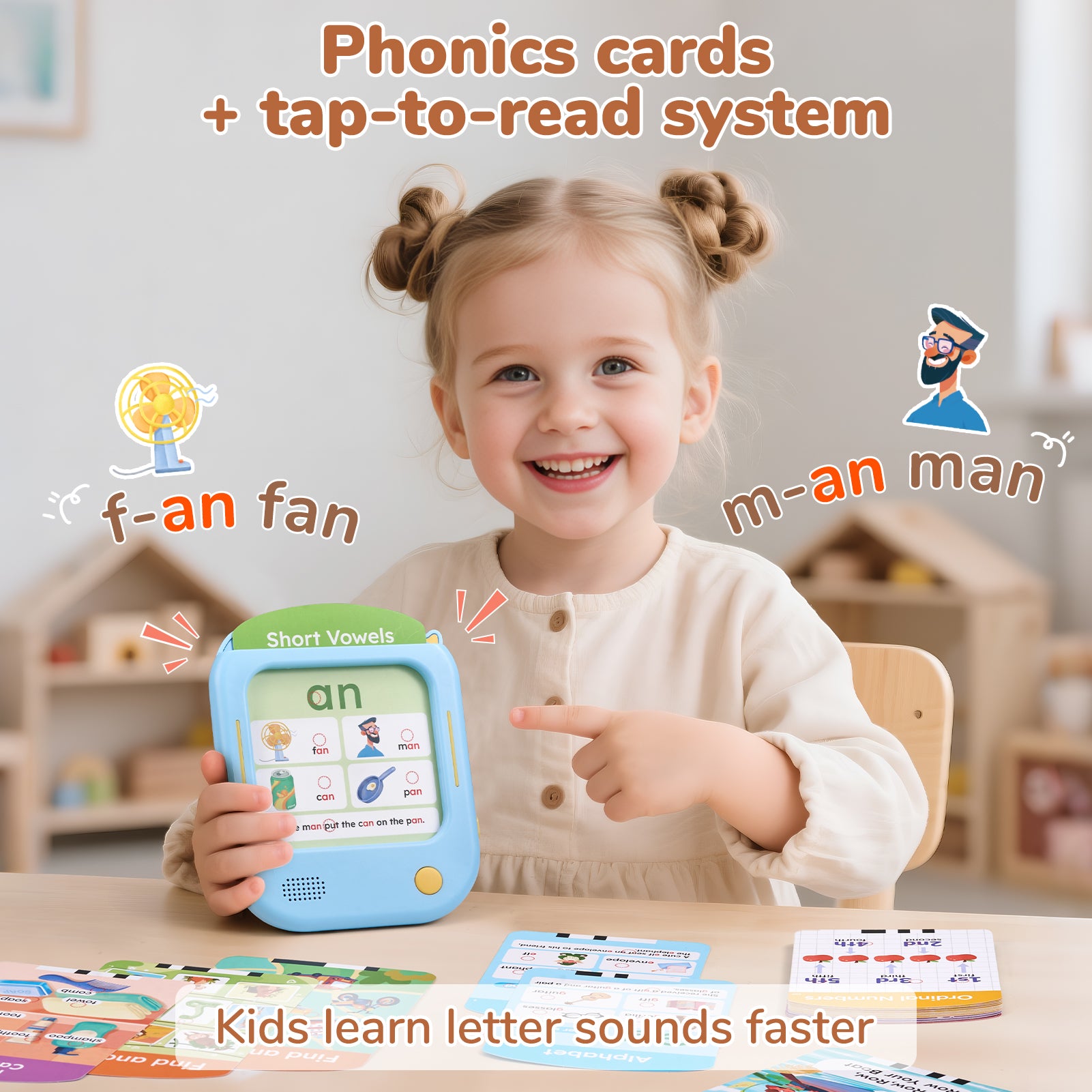
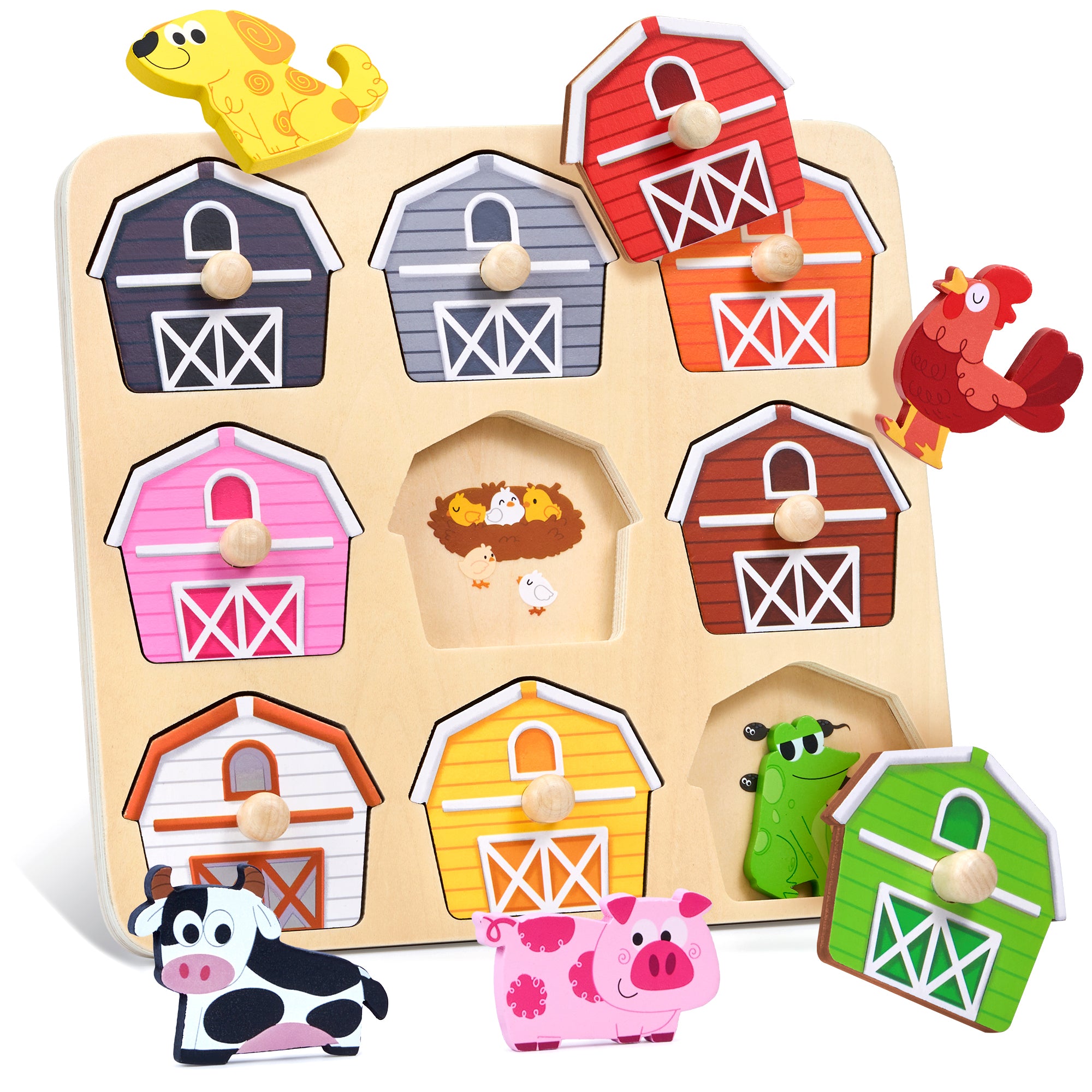
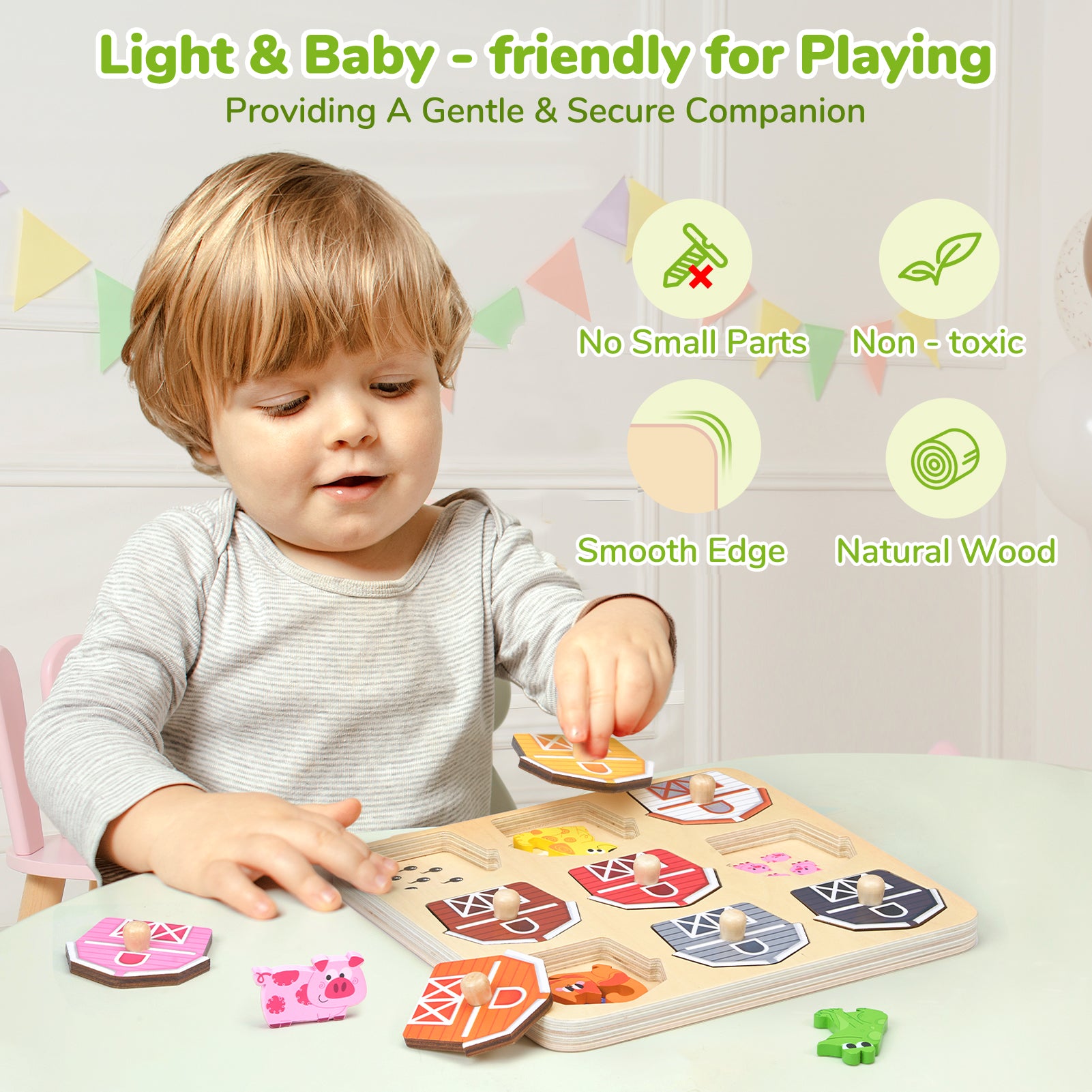
Discover engaging toddler learning toys and learning toys for kids at JoyCat — thoughtfully designed to support curiosity, problem-solving, and early cognitive development through playful exploration. From interactive games and puzzles to activity sets that build language, logic, and motor skills, these learning toys make every moment fun and educational.

Sort by

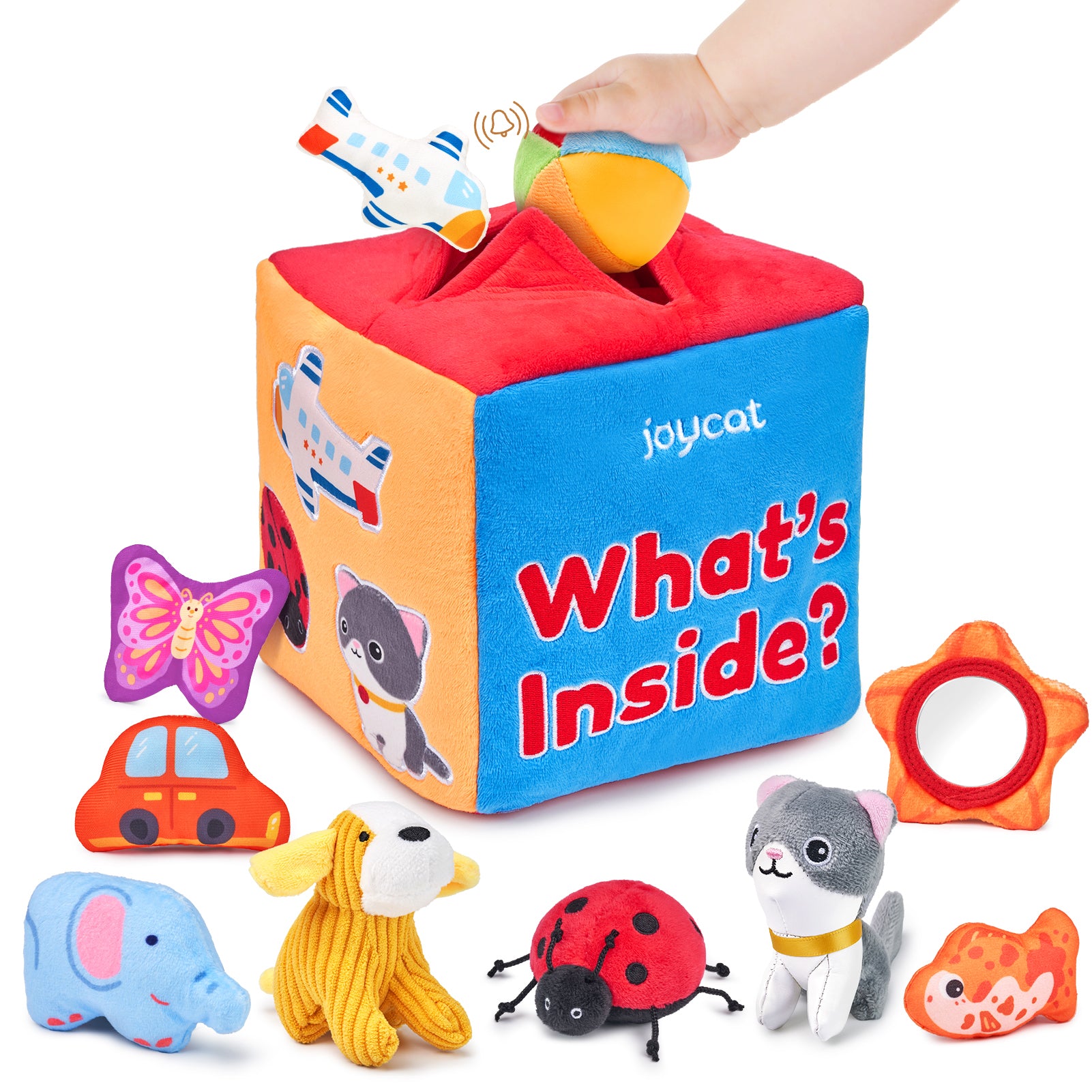
Mystery Soft BoxMystery Soft Box
-15%
Add to Wishlist Add to Compare
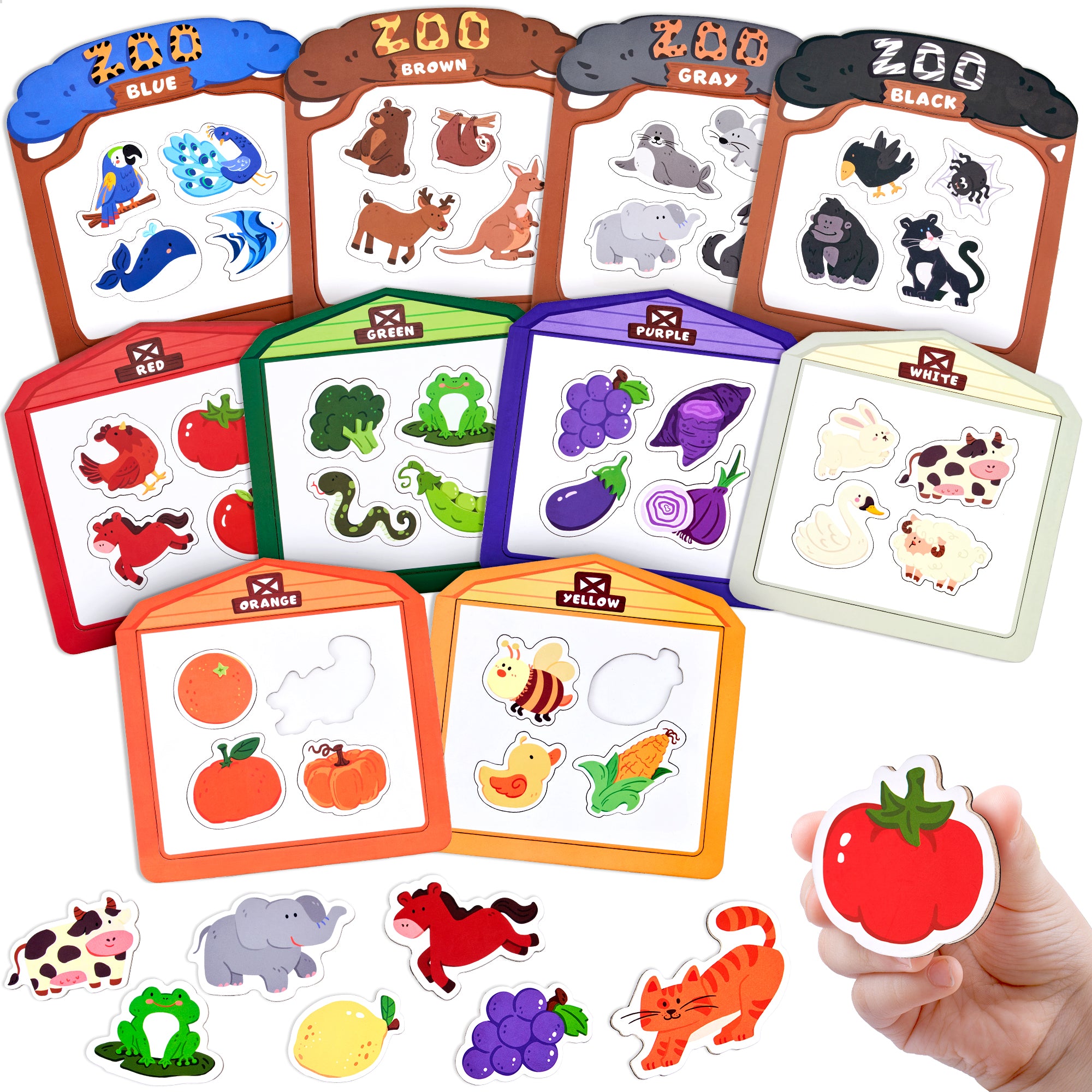
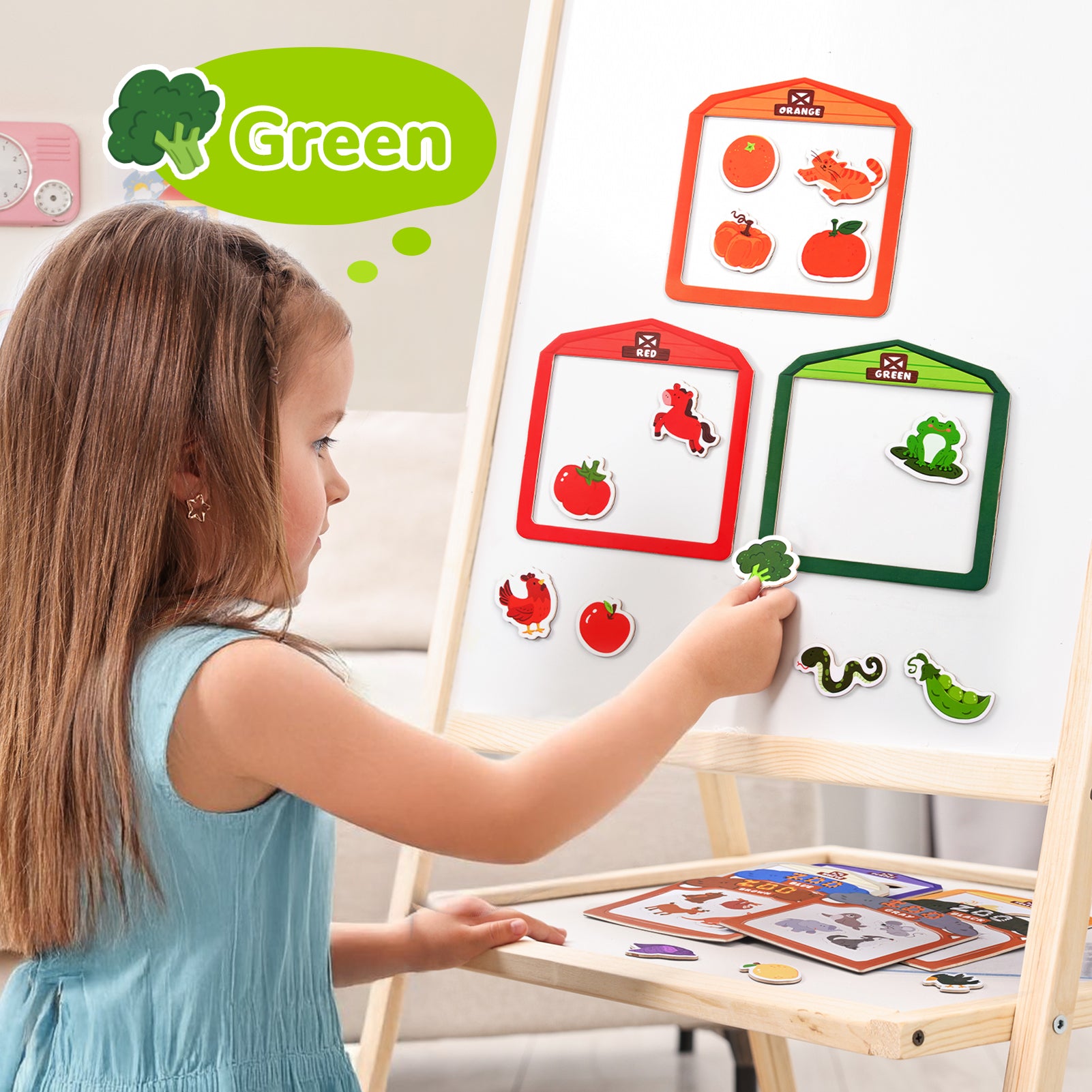
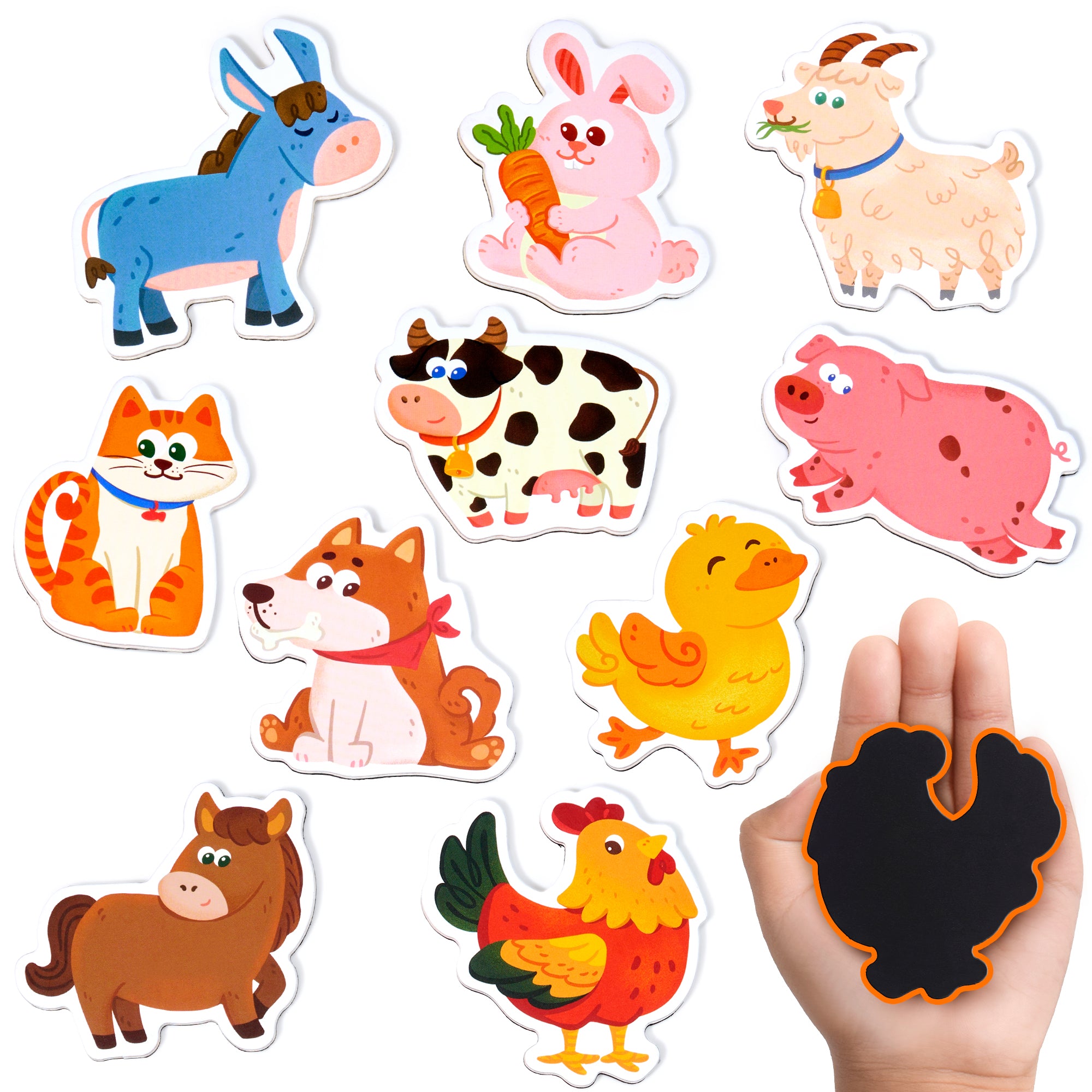
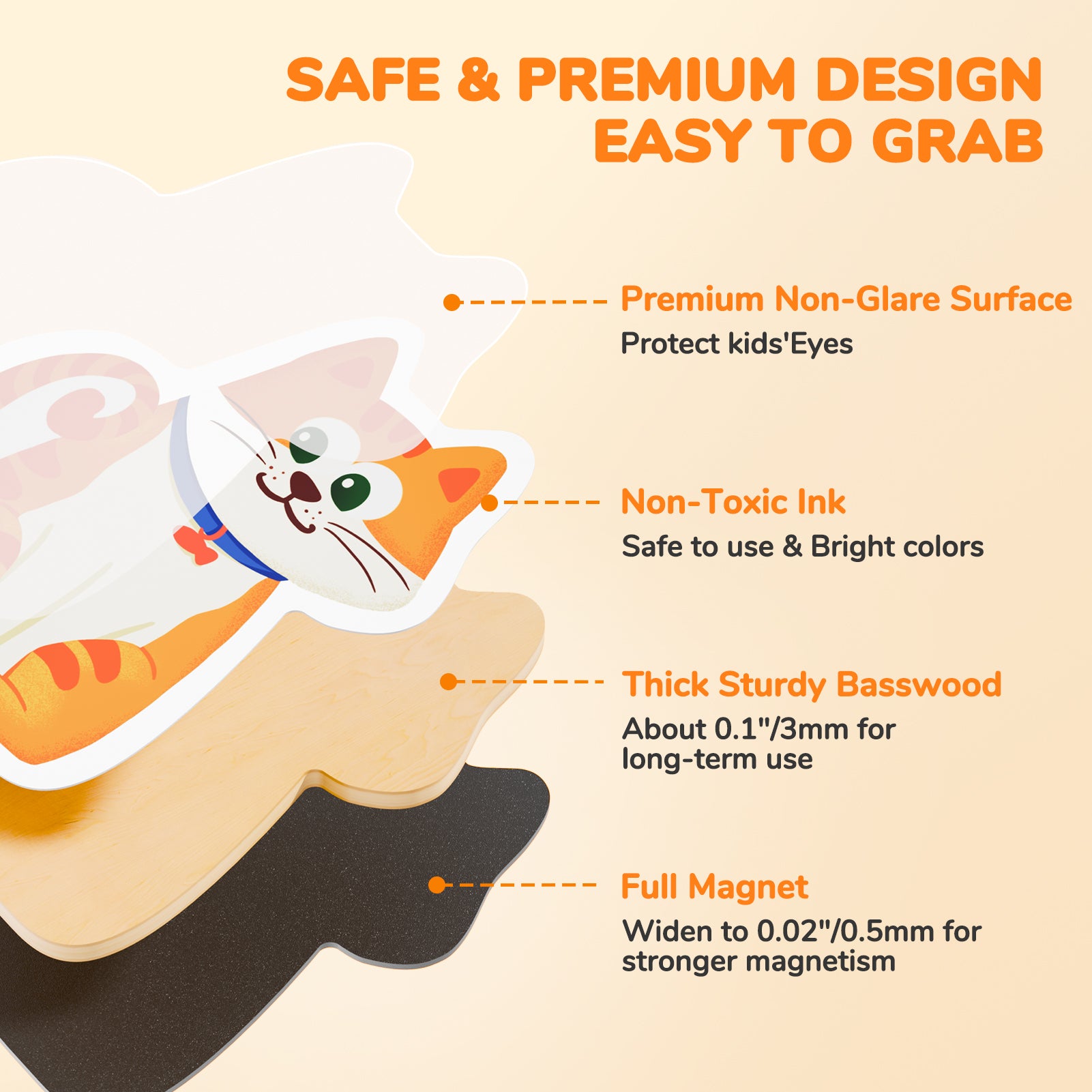
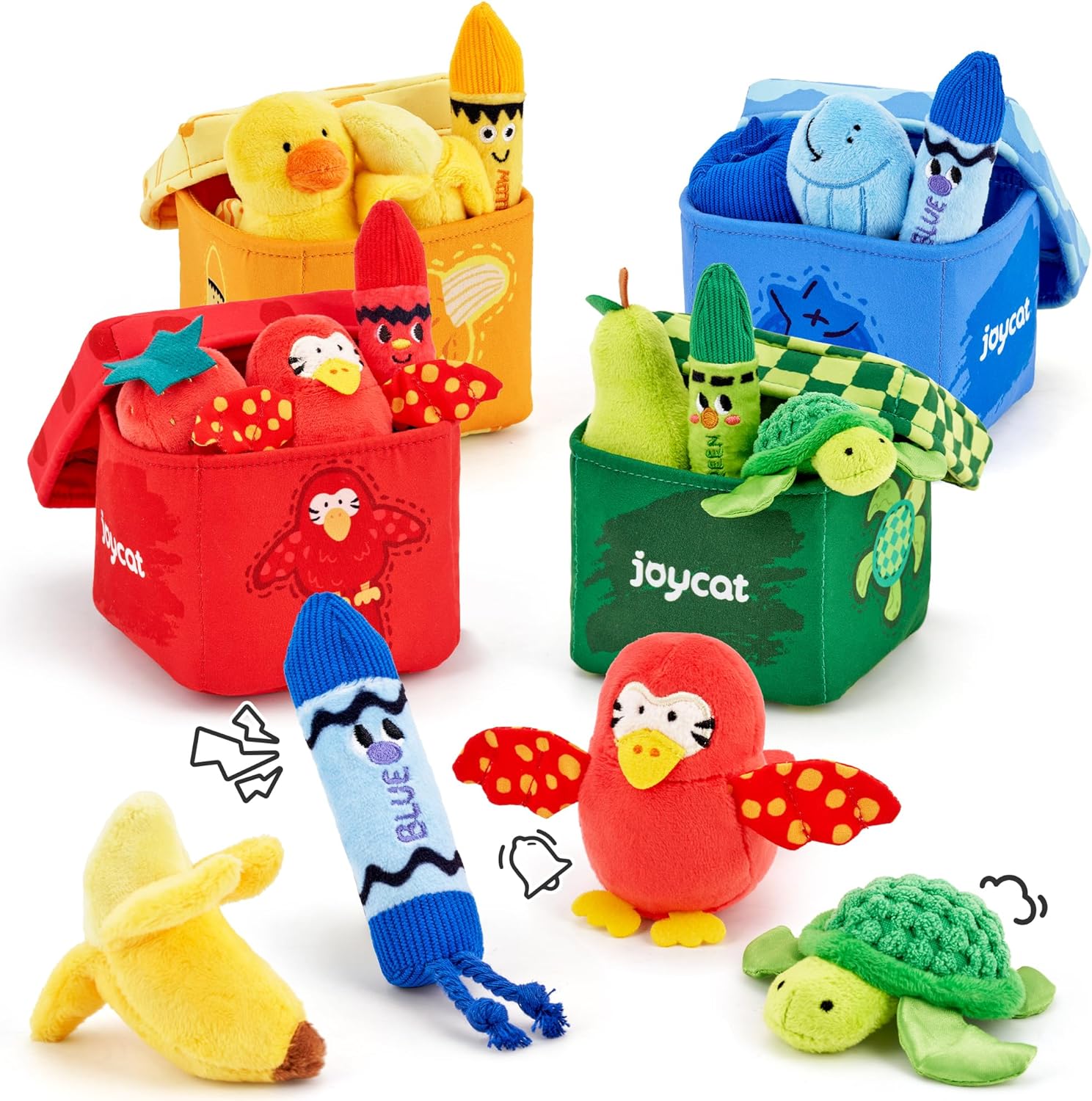
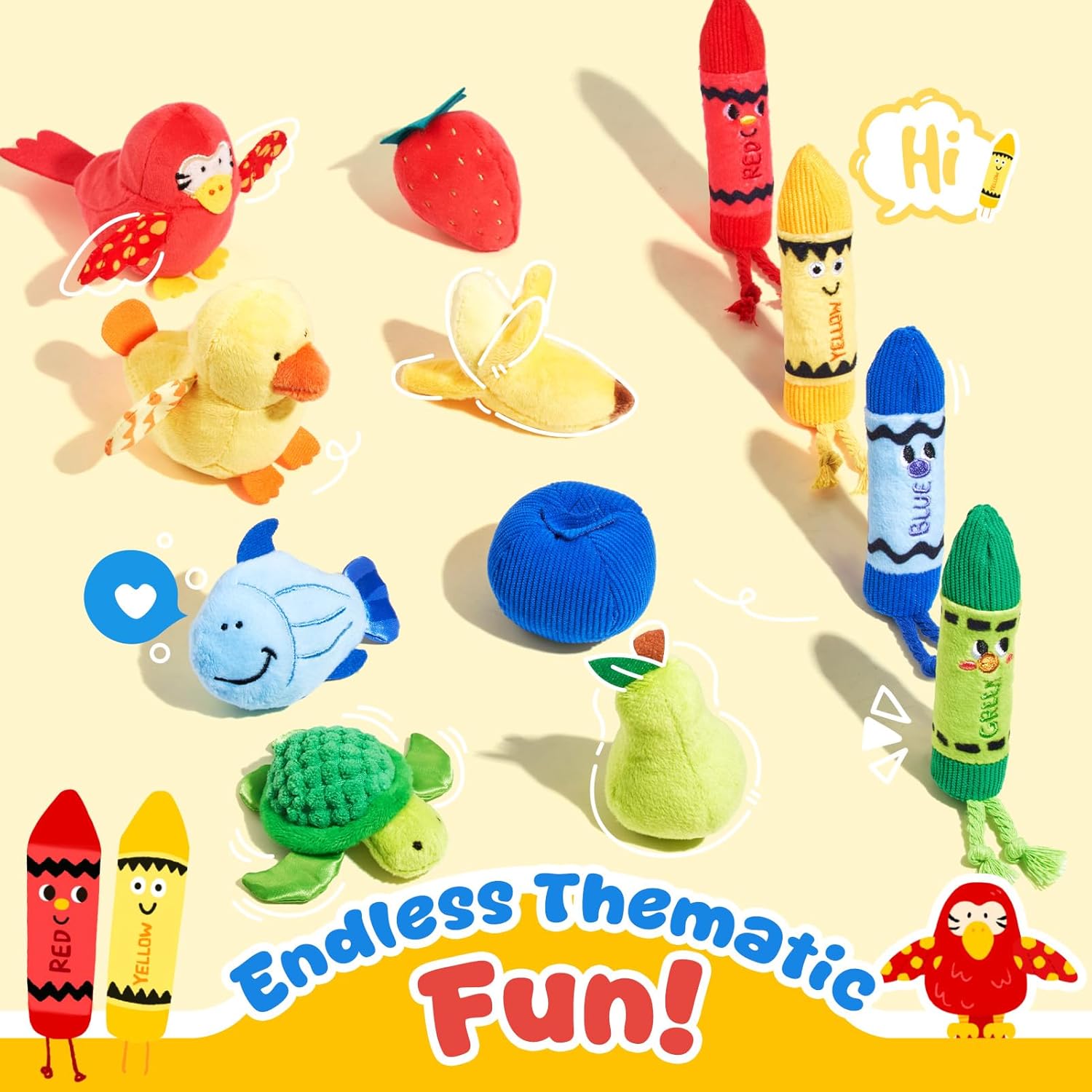
Wooden Magnetic Color Sorting Set – Toddler Fridge Magnets for Color & Animal RecognitionWooden Magnetic Color Sorting Set – Toddler Fridge Magnets for Color & Animal Recognition
-28%
Add to Wishlist Add to Compare
Robot Busy Board with Switches – LED Light & Voice Recording Sensory Toy for ToddlersRobot Busy Board with Switches – LED Light & Voice Recording Sensory Toy for Toddlers
-27%
Add to Wishlist Add to Compare
What makes a toy a 'learning toy'?

Learning toys are specifically designed to support cognitive, physical, or social-emotional development through play. They encourage problem-solving, critical thinking, creativity, language skills, math concepts, or motor development. Unlike passive entertainment, learning toys actively engage children in skill-building activities that align with developmental milestones and educational goals.

Our learning toy collection spans from infants (0-12 months) through early elementary (6-8 years). We offer sensory exploration toys for babies, hands-on manipulatives for toddlers (1-3 years), kindergarten-prep activities for preschoolers (3-5 years), and STEM-focused challenges for school-age children. Each toy includes specific age recommendations to match developmental stages.

Consider your child's current interests, developmental stage, and learning goals. Look for toys that offer the right level of challenge—not too easy or frustrating. Check age recommendations for safety and skill level. Choose open-ended toys that grow with your child, and consider what skills you want to support: literacy, numeracy, creativity, problem-solving, or motor development.

Learning toys complement but don't replace formal education or quality interaction with caregivers. They provide hands-on practice that reinforces concepts taught in school or at home, make learning fun and engaging, and allow children to explore at their own pace. The best learning happens when toys are combined with adult guidance, conversation, and real-world experiences.