
Stem Toys
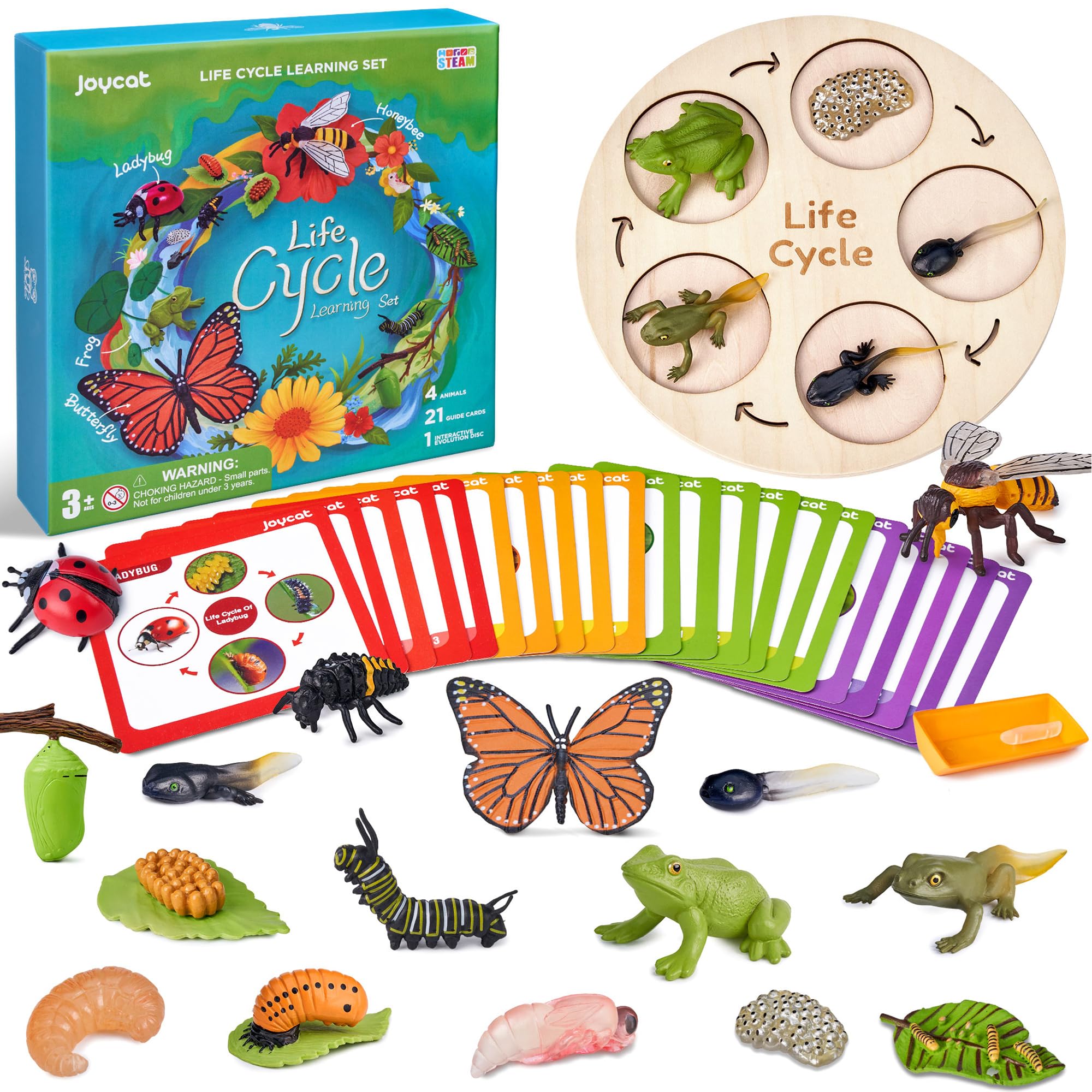
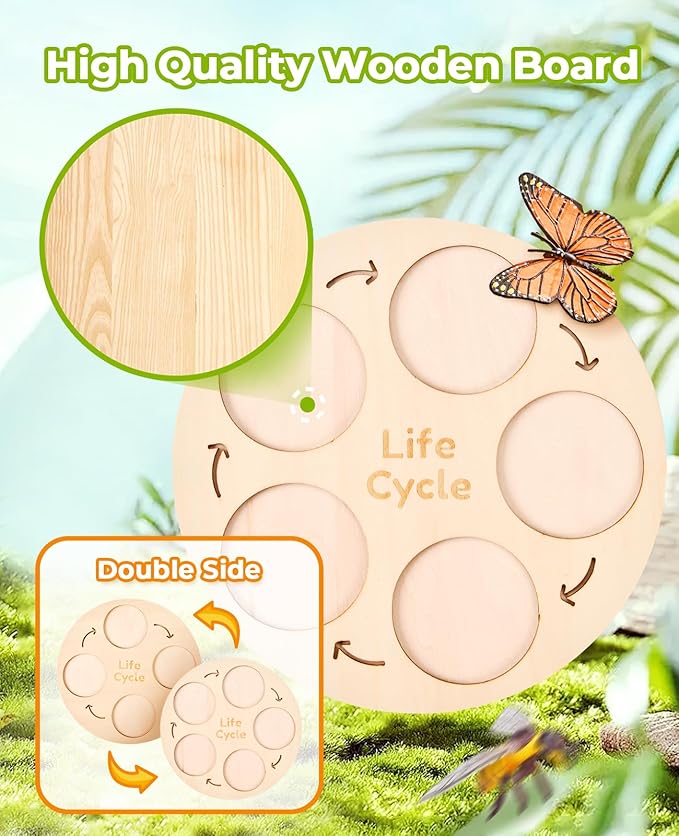
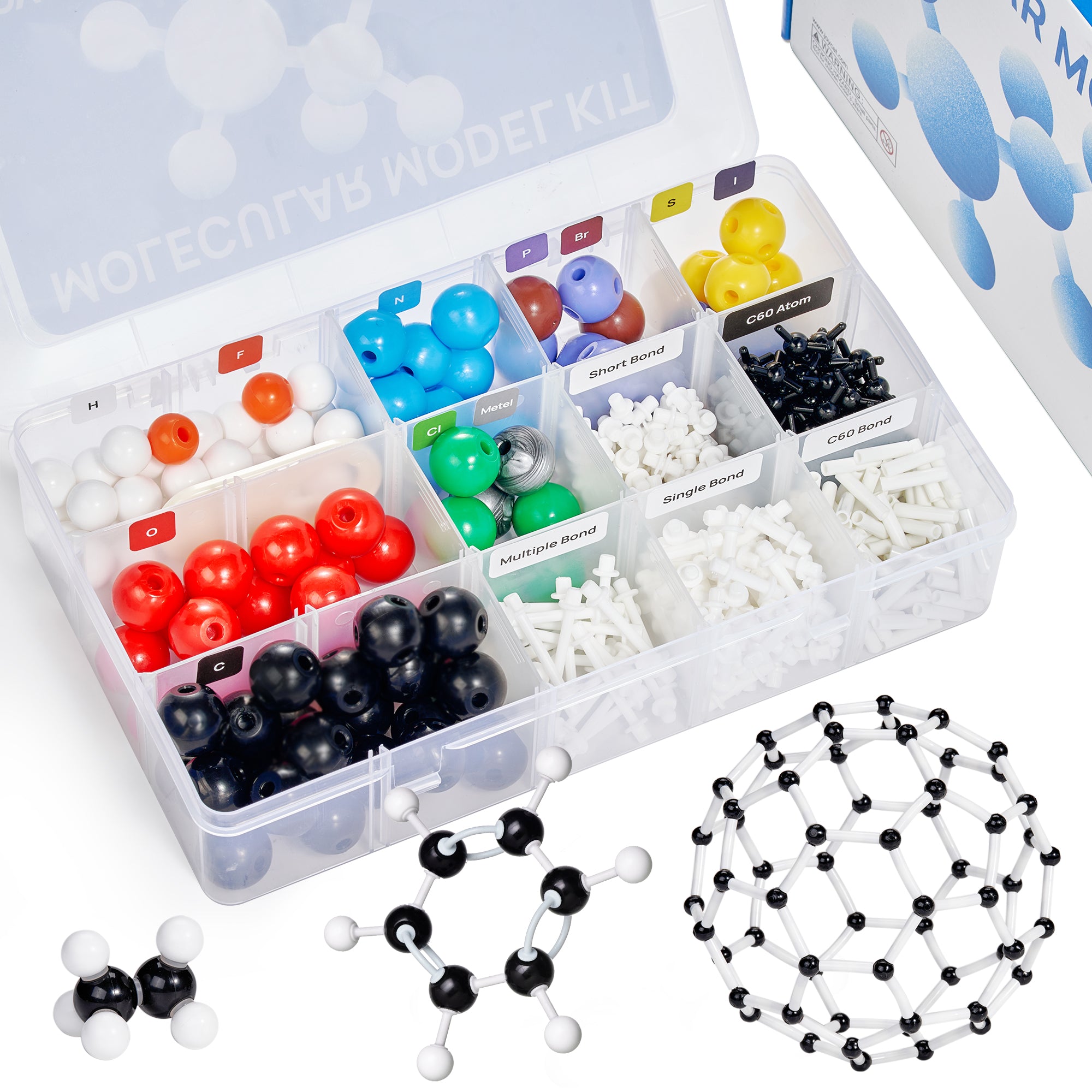
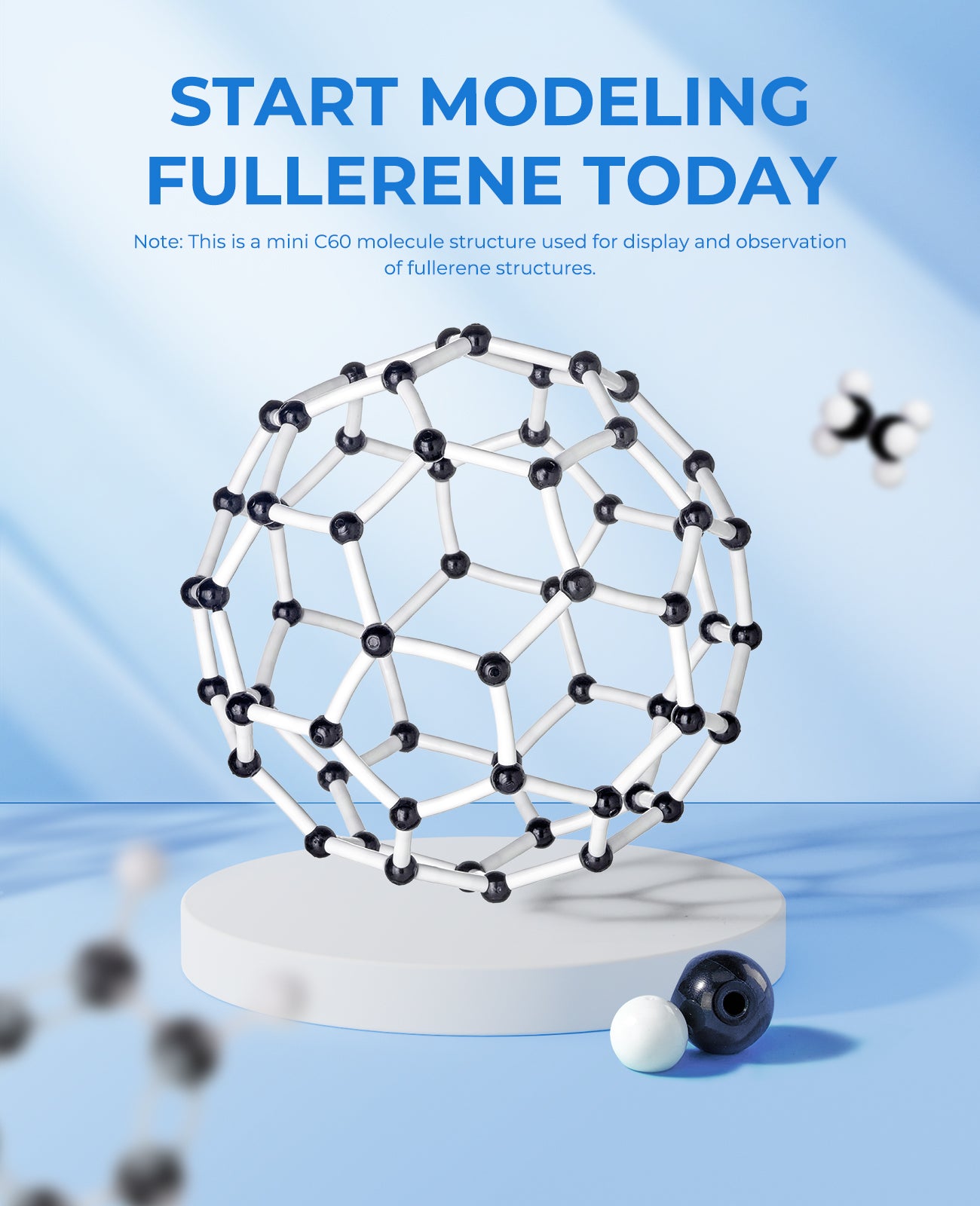
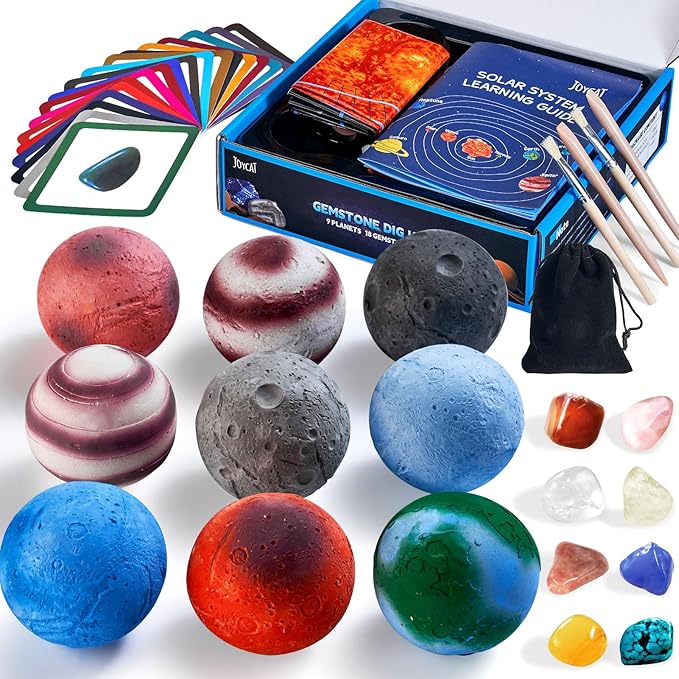
STEM toys from JoyCat turn playtime into hands-on learning experiences. These learning toys introduce science, technology, engineering, and math concepts in a fun and approachable way, helping children develop problem-solving skills, logical thinking, and creativity through playful challenges and interactive building.

What does STEM stand for and why is it important?
STEM stands for Science, Technology, Engineering, and Math. STEM toys are important because they introduce these critical concepts through hands-on play, helping children develop problem-solving skills, logical thinking, creativity, and curiosity about how things work. These skills form the foundation for future academic success and career readiness in our technology-driven world.
What age groups are your STEM toys designed for?
Our STEM toy collection includes options for ages 3-8 years. Younger children (3-5) enjoy simple cause-and-effect experiments and sensory exploration, while older kids (6-8) can tackle more complex building challenges, science kits, and engineering projects. Each product includes specific age recommendations to match your child's developmental stage and abilities.
Do I need special knowledge to help my child with STEM toys?
Not at all! Our STEM toys are designed for children to explore independently or with minimal adult guidance. Most include clear instructions, visual guides, and age-appropriate challenges that encourage discovery through trial and error. Parents and educators can learn alongside children, making STEM exploration a fun shared experience without requiring technical expertise.
How do STEM toys differ from regular educational toys?
STEM toys specifically focus on science, technology, engineering, and math concepts through hands-on experimentation and problem-solving. Unlike traditional educational toys that may teach isolated skills, STEM toys encourage critical thinking, hypothesis testing, building, and real-world application of concepts. They promote inquiry-based learning where children ask questions, experiment, and discover solutions independently.