
Alphabet Toys
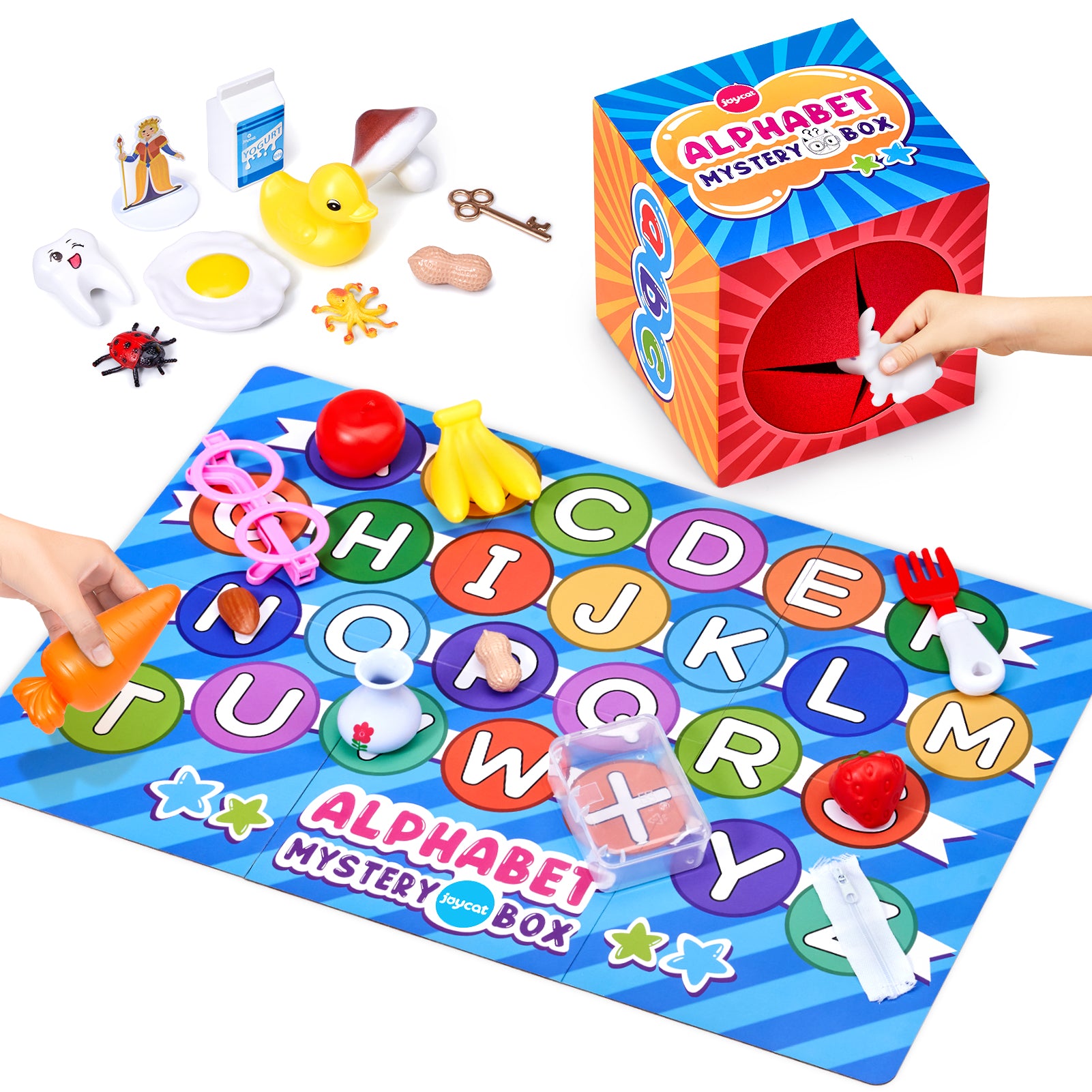
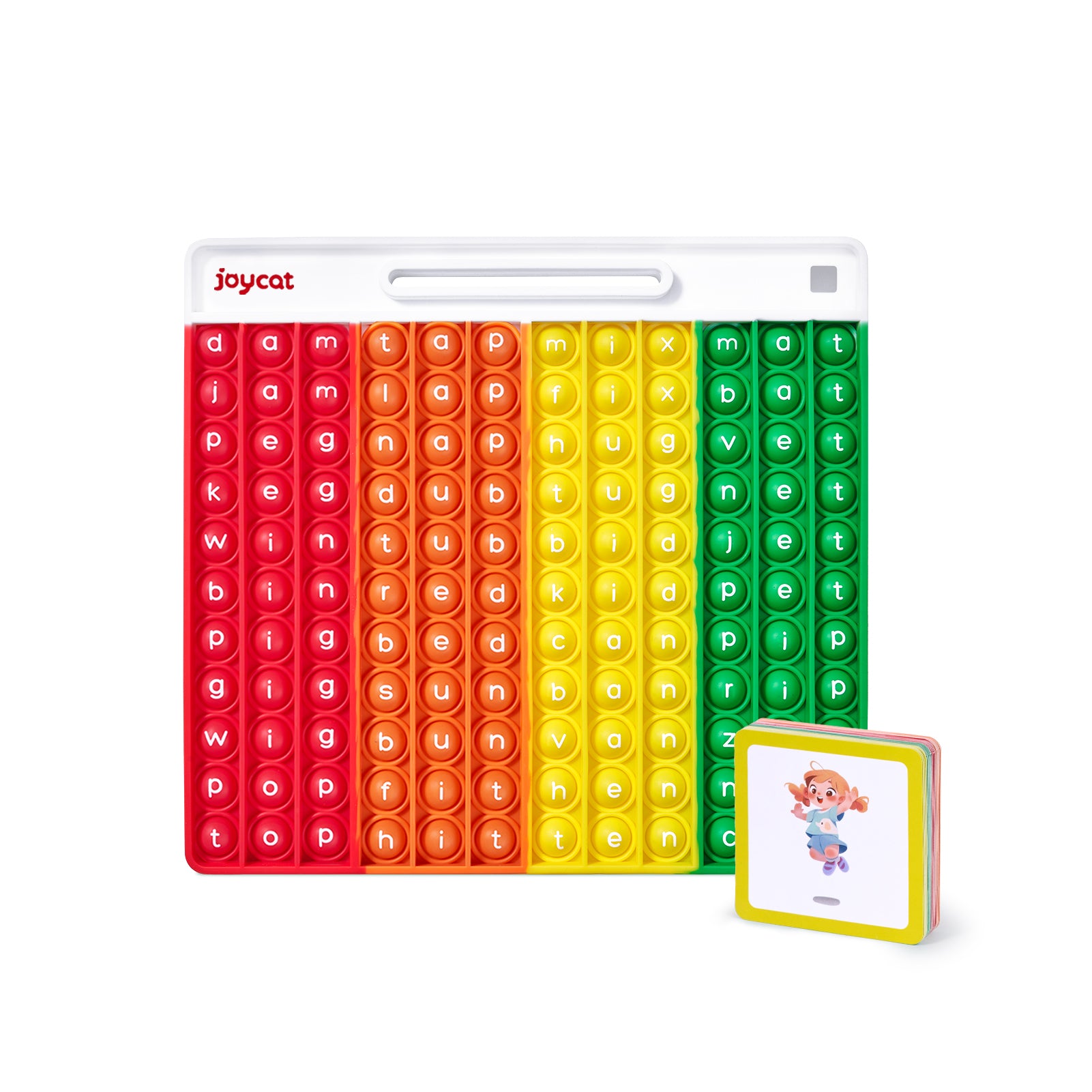
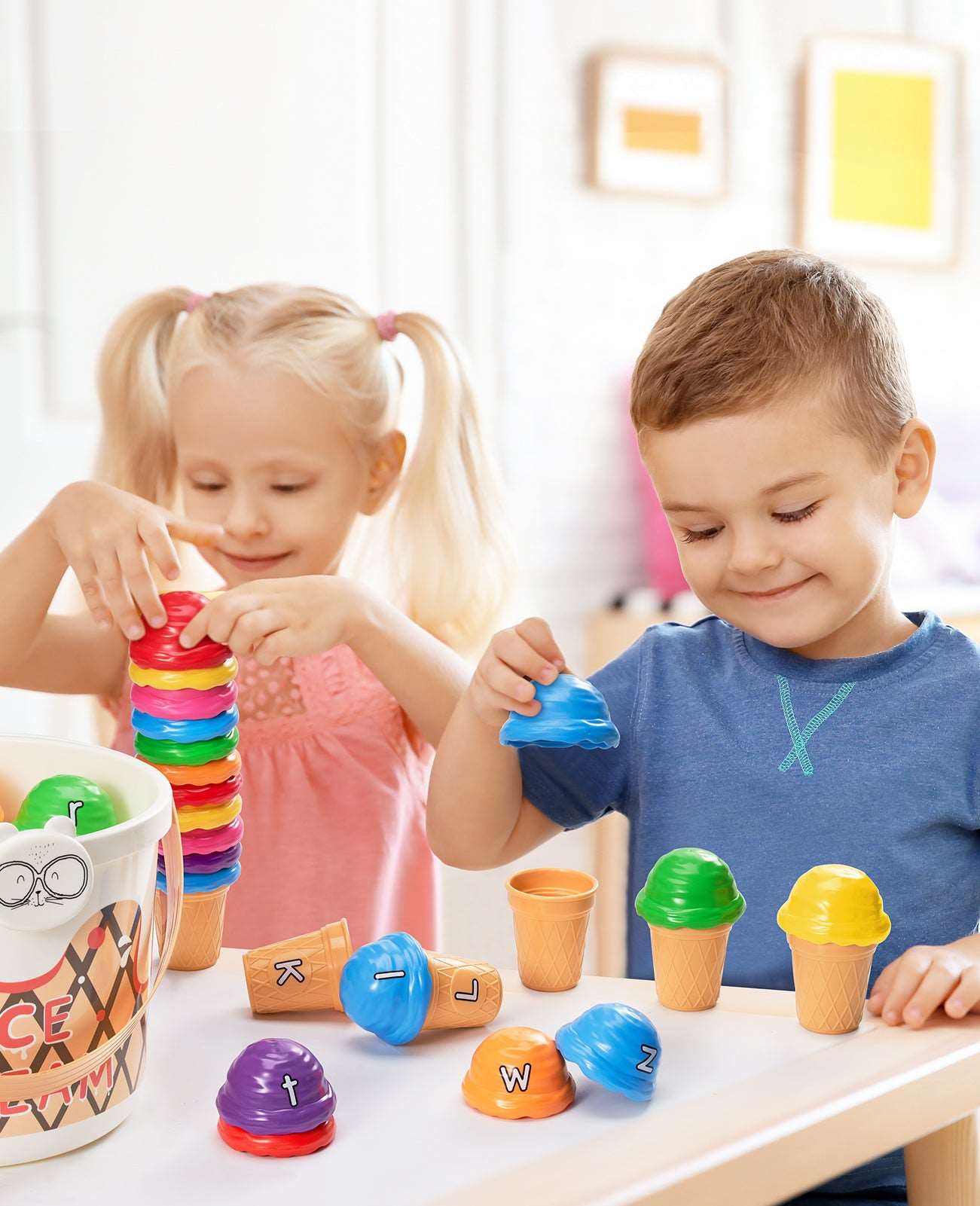
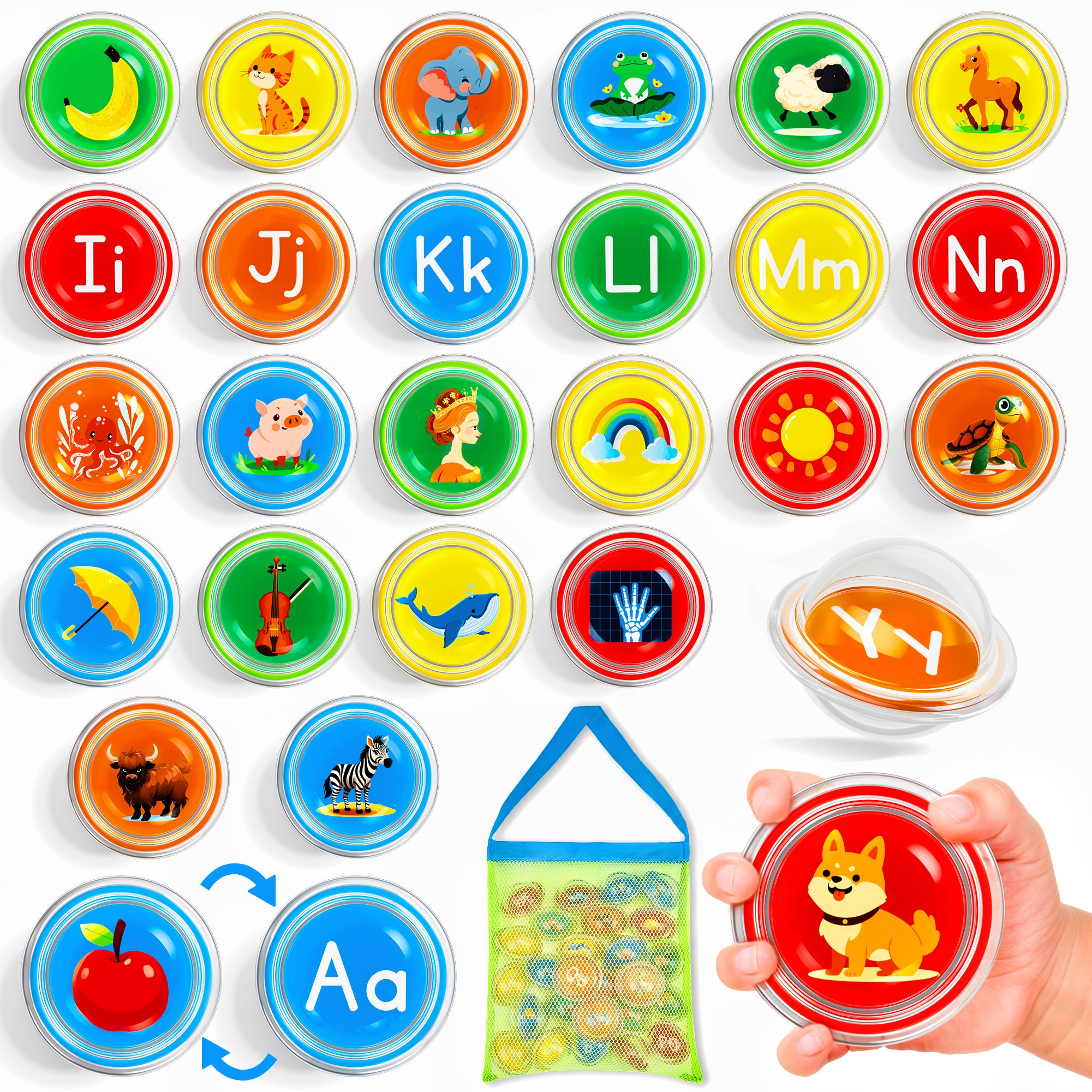
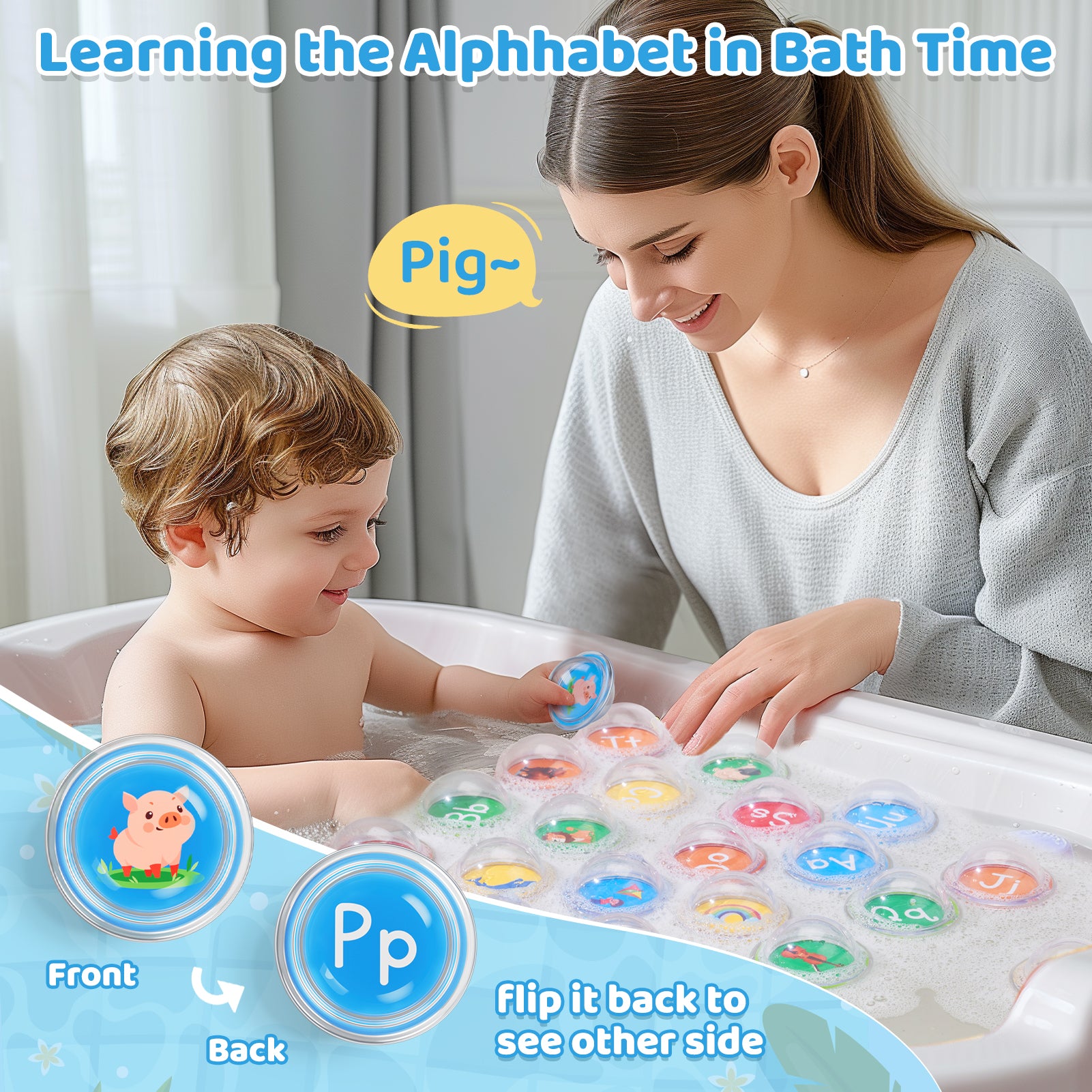
Explore alphabet sensory toys and language learning play at JoyCat — fun, hands-on toys designed to support early literacy, letter recognition, and sensory development. From interactive letters to tactile learning tools, these toys help children build confidence, language skills, and a love of learning through play.
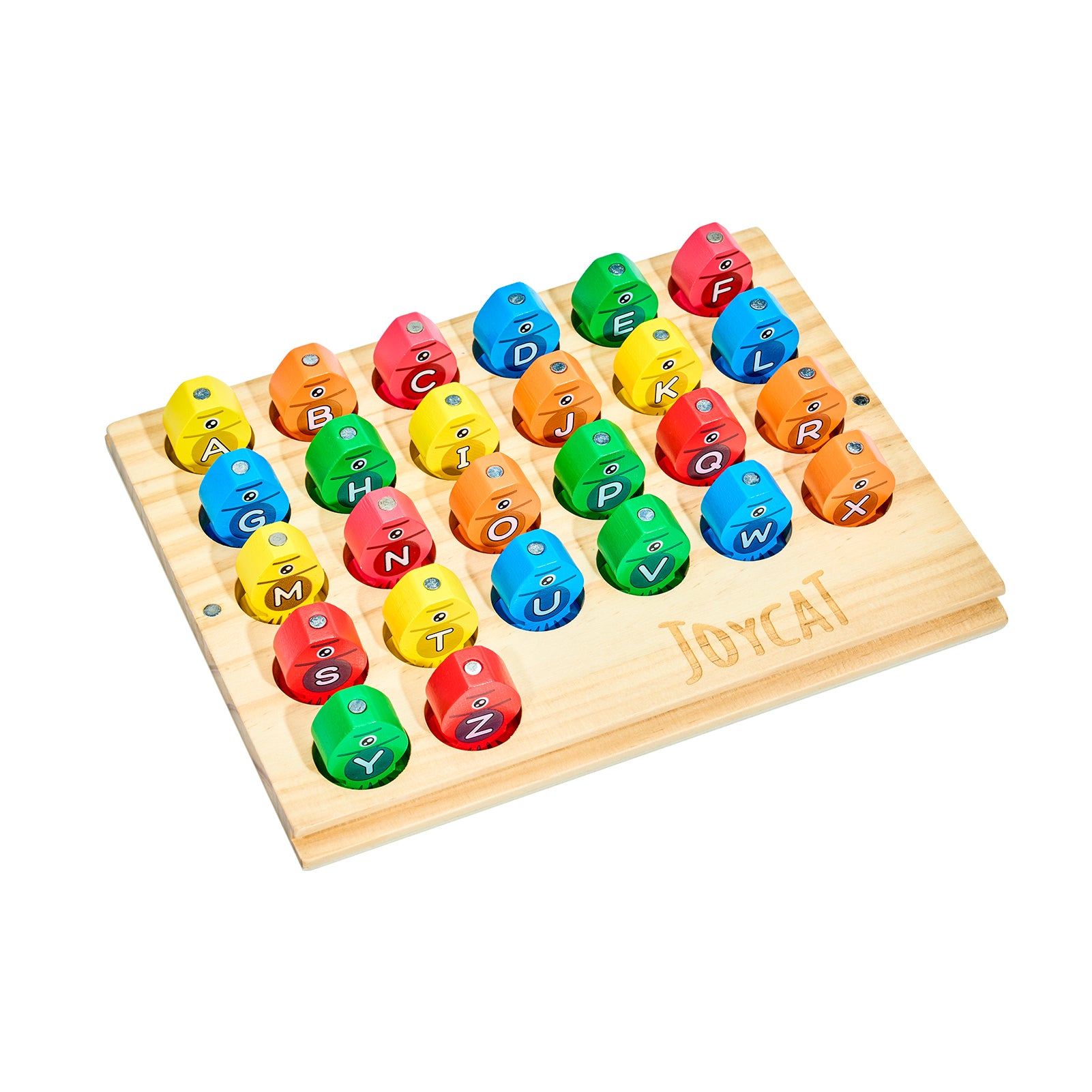
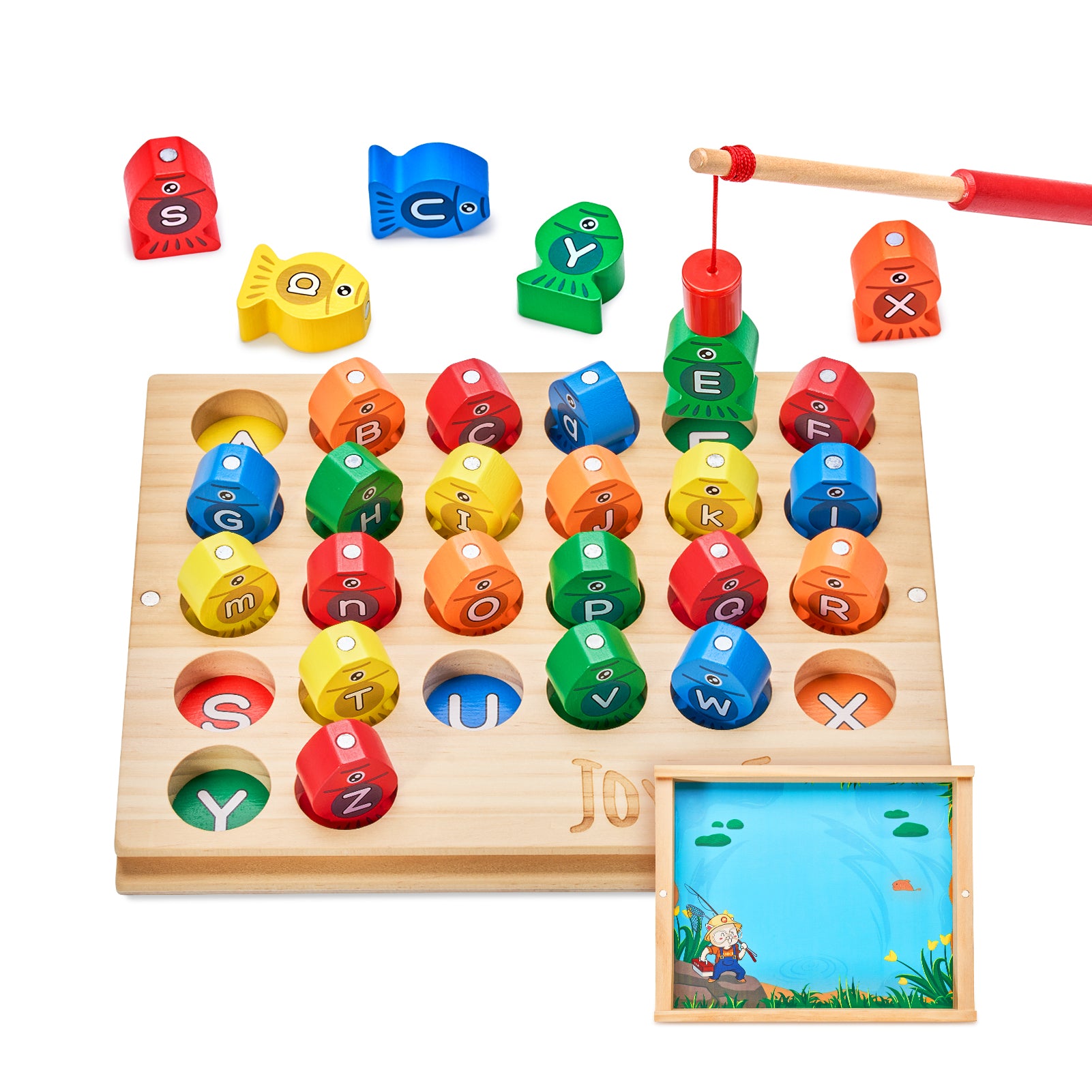
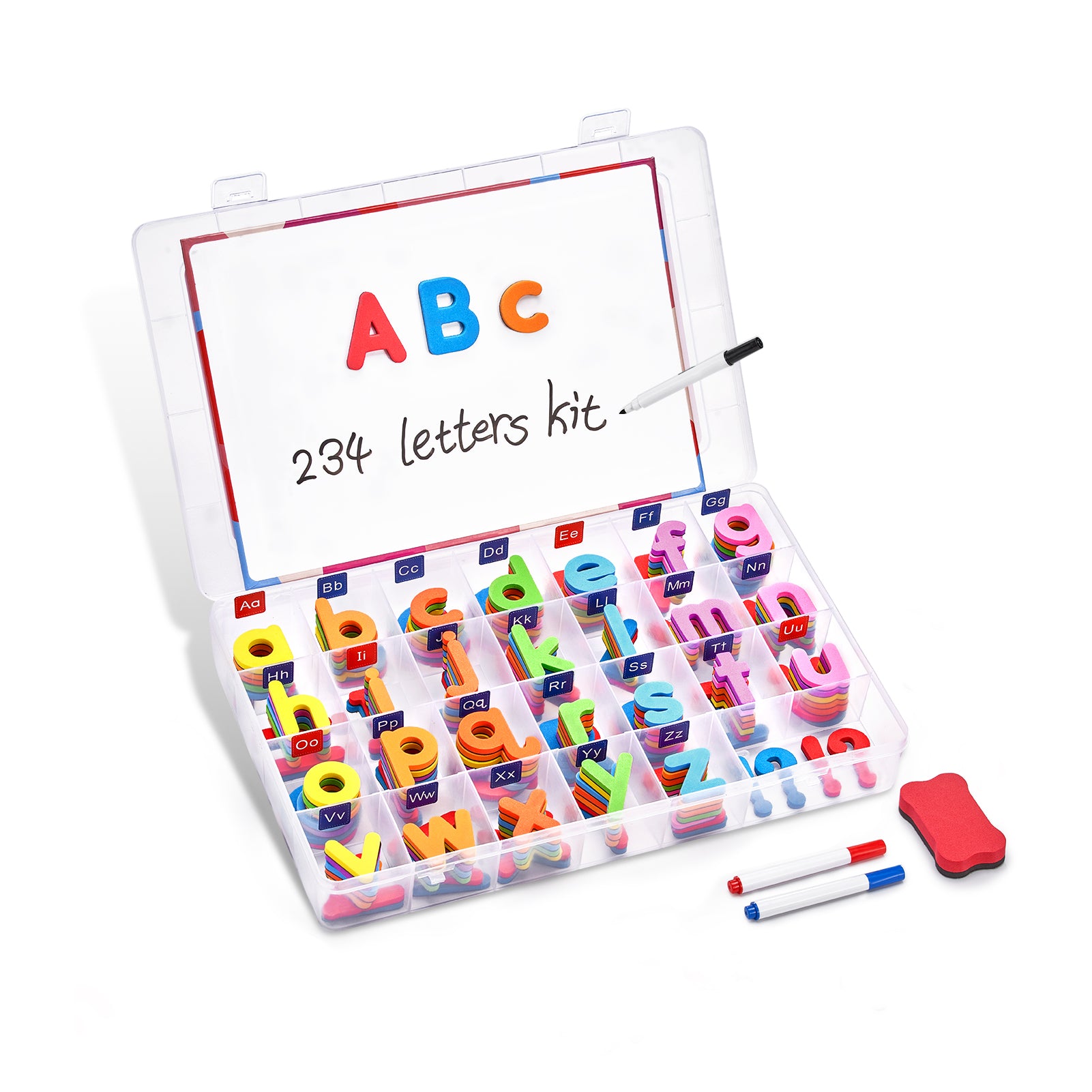

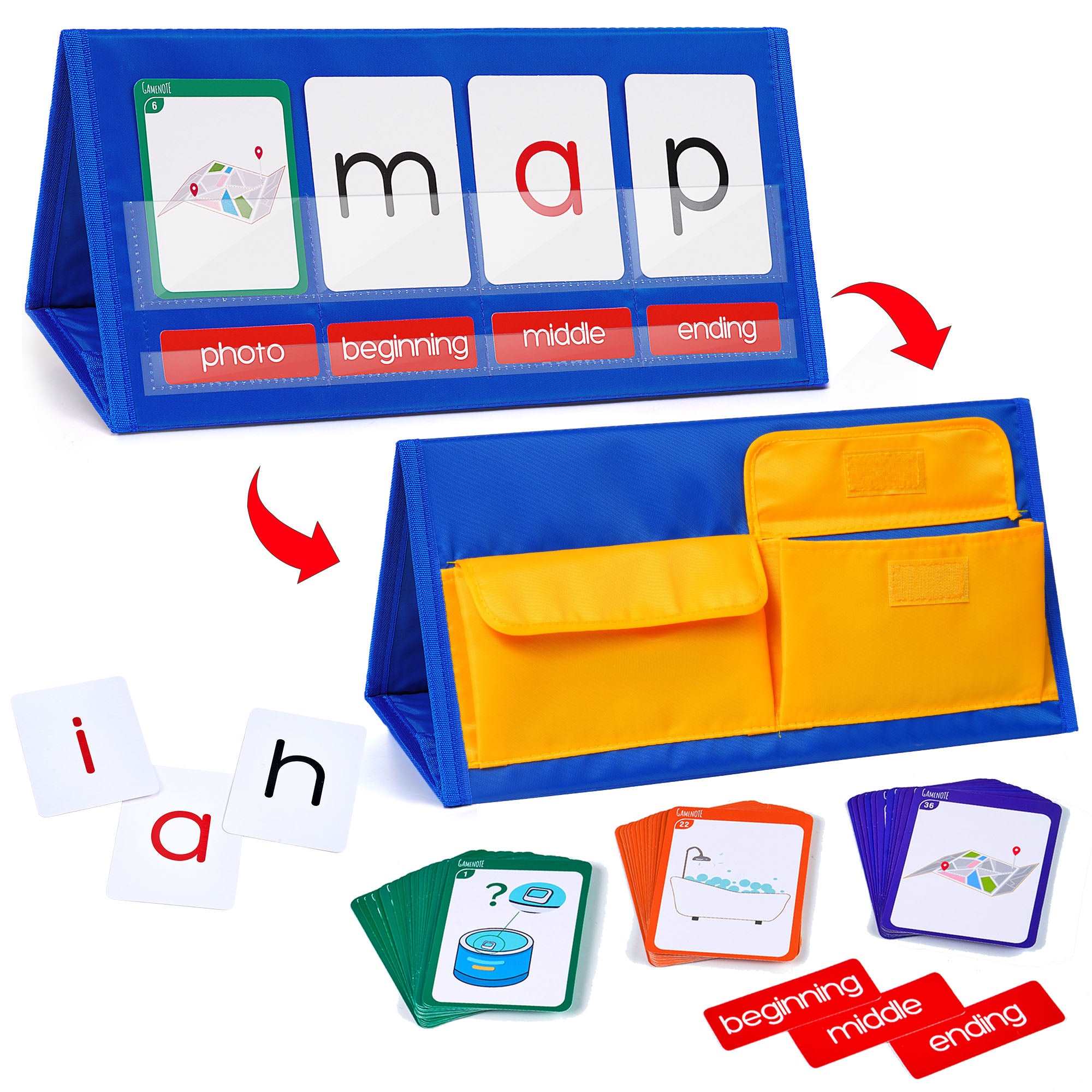
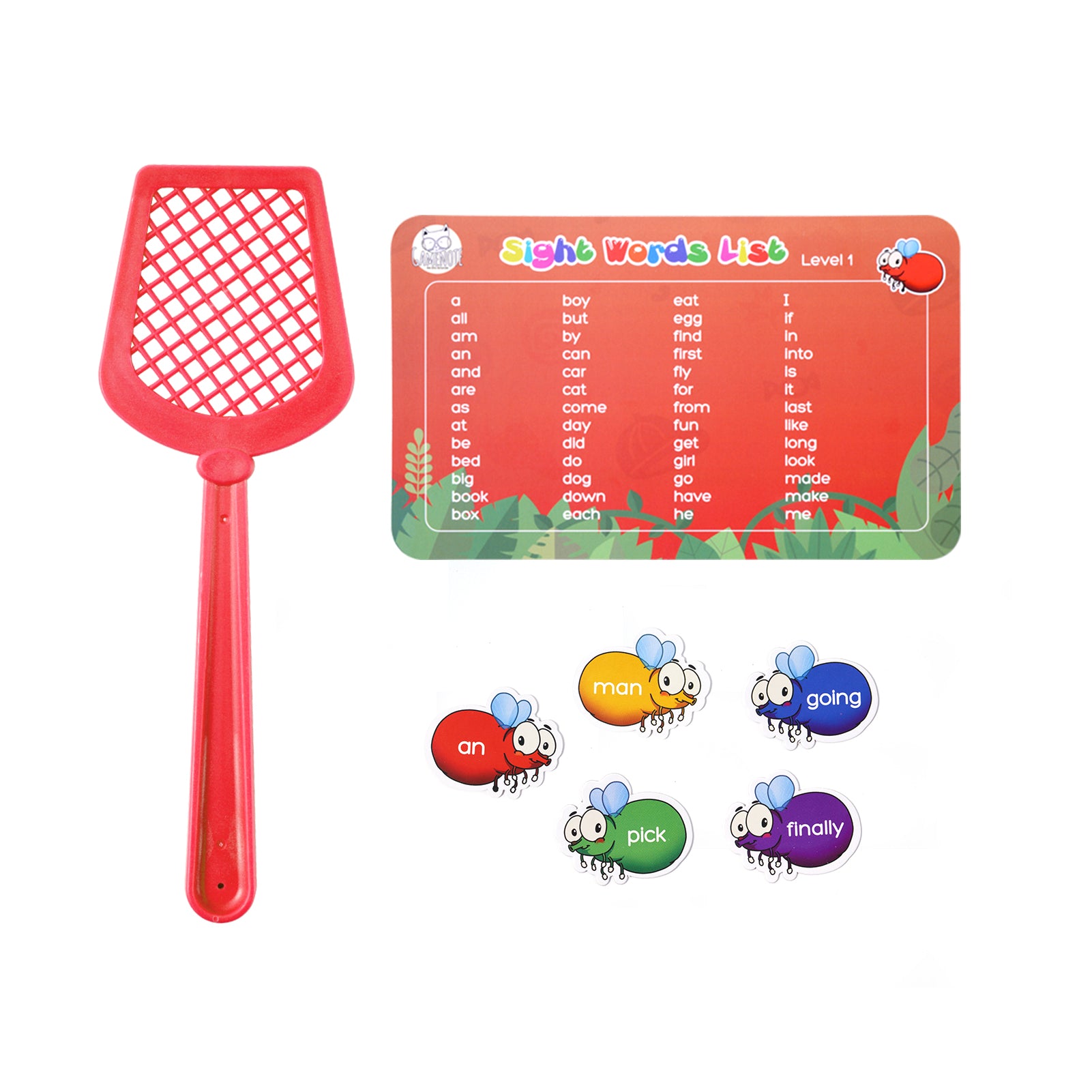
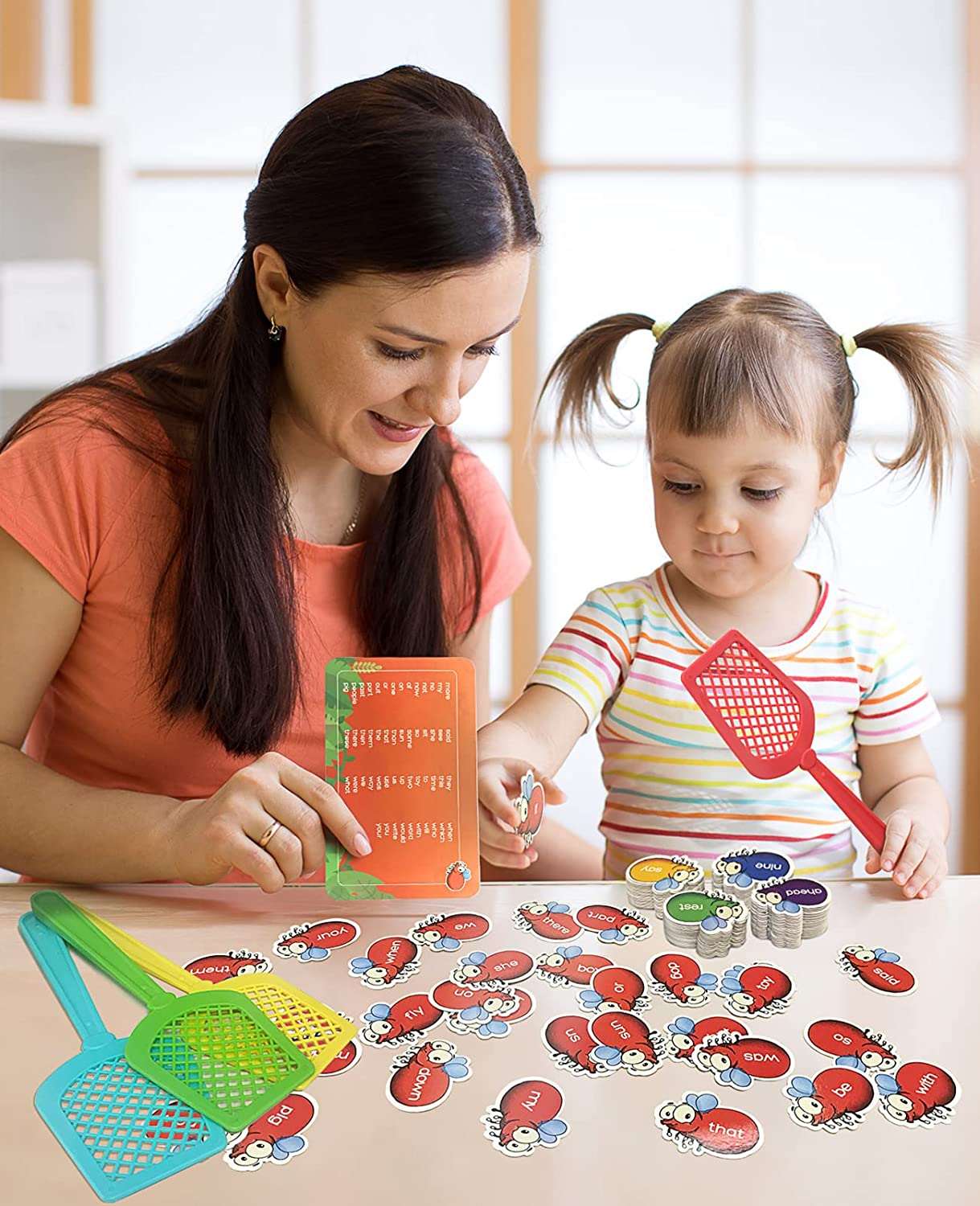
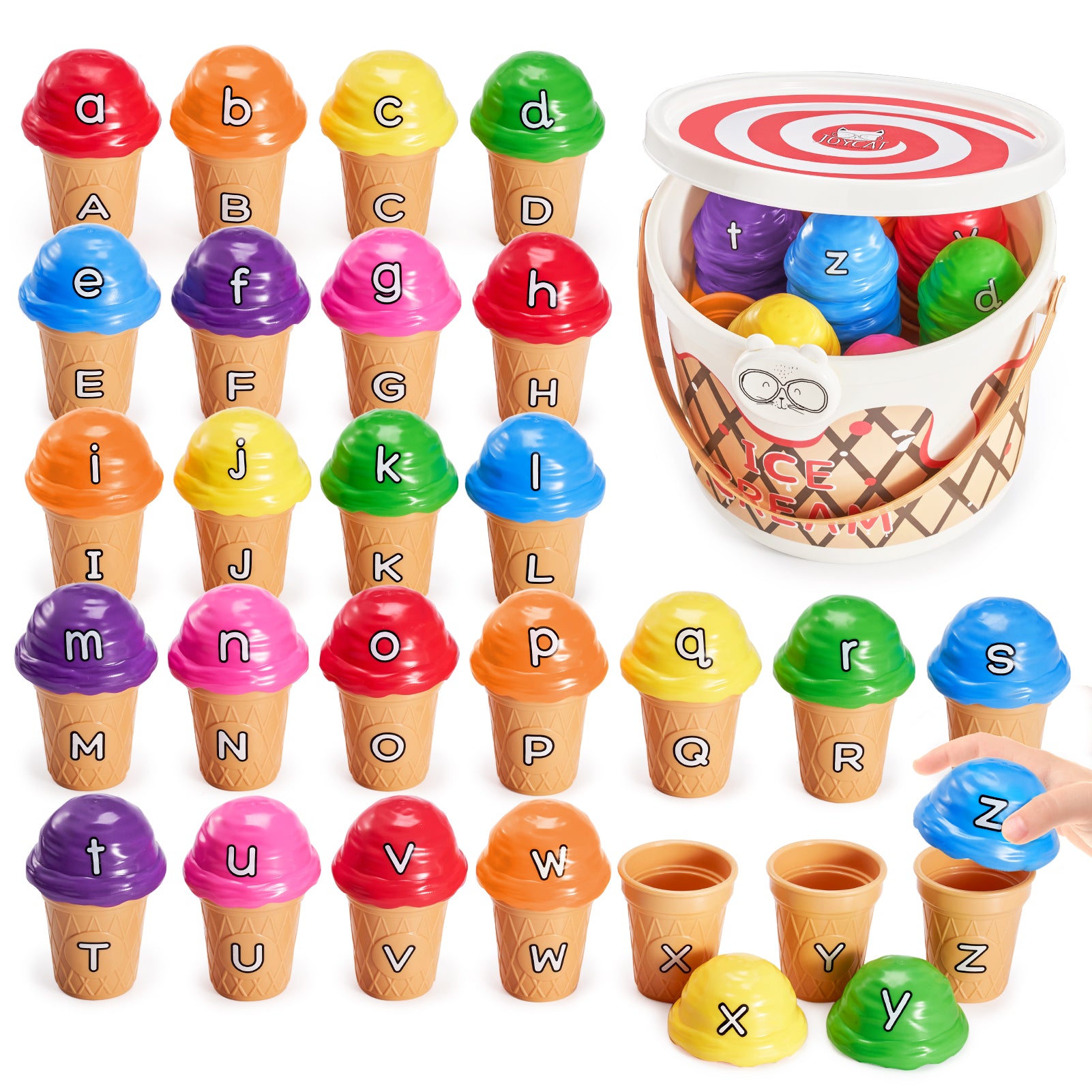
What age is best to start teaching the alphabet with these toys?
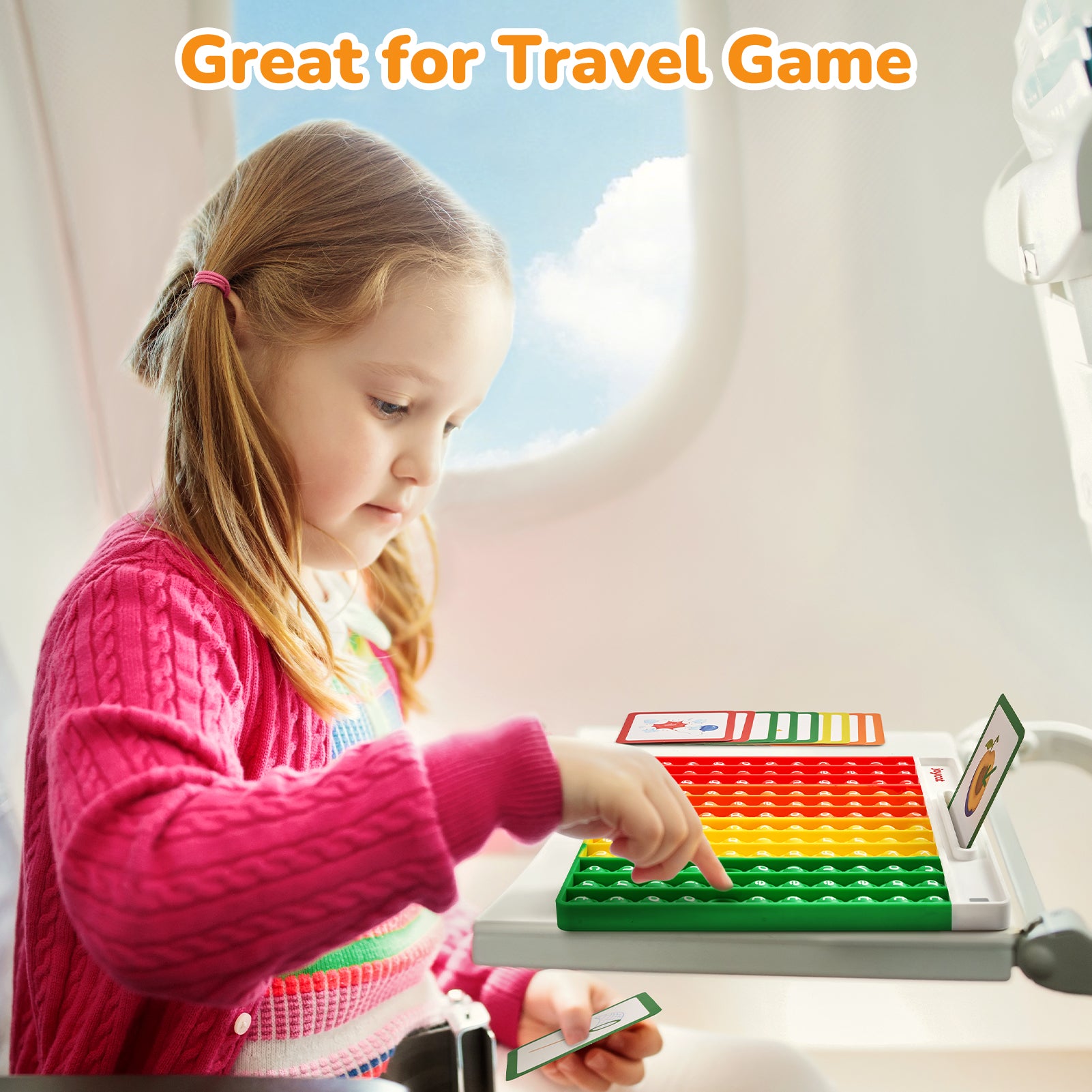
Children can begin exploring alphabet toys as early as 18 months to 2 years with simple letter recognition activities. Ages 3-5 are ideal for more focused alphabet learning including letter sounds, tracing, and early phonics. Our collection includes options for all stages—from sensory alphabet exploration for toddlers to writing practice and reading readiness tools for preschoolers.
How do alphabet toys help with reading readiness?
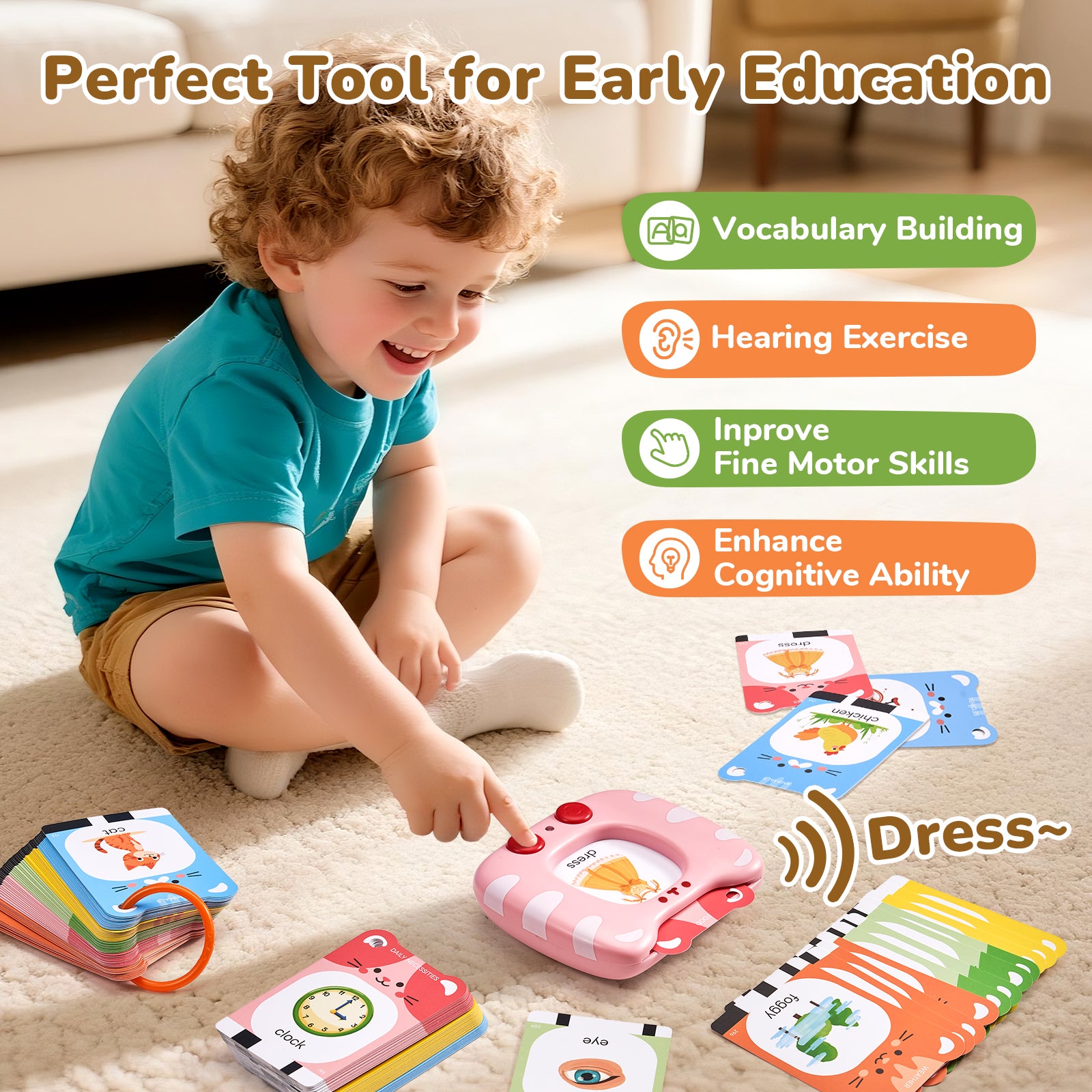
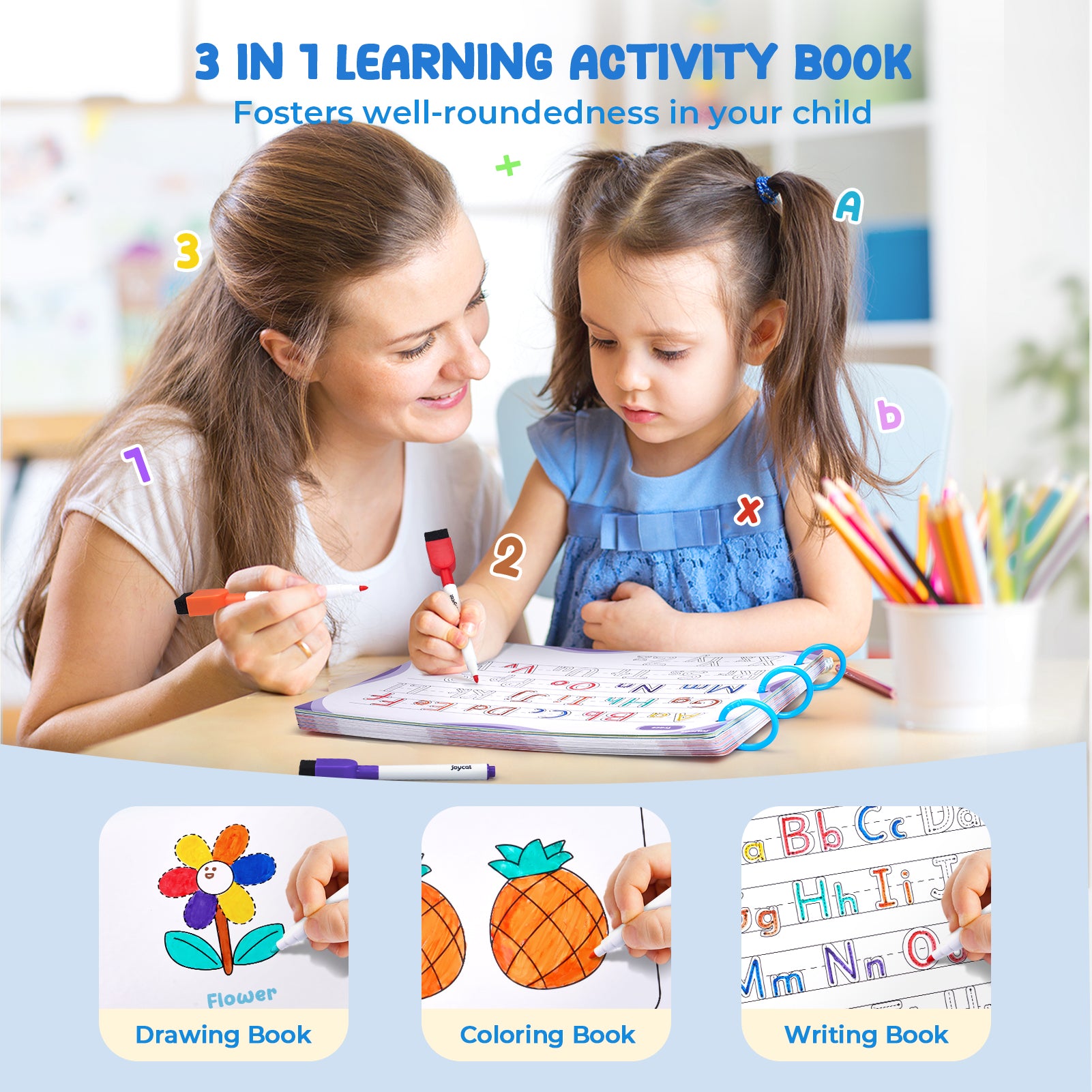
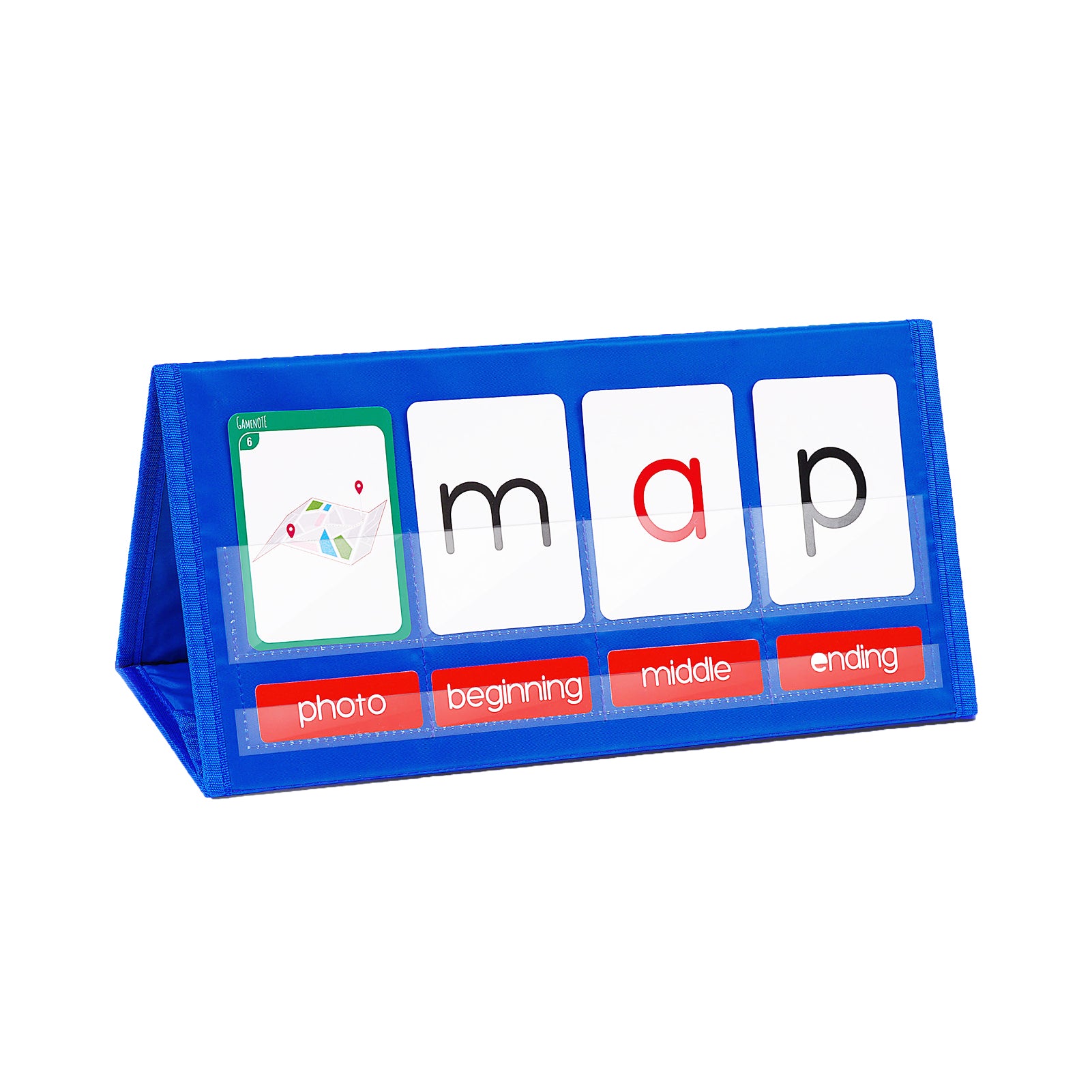
Alphabet toys build foundational literacy skills including letter recognition (identifying letters by sight), phonemic awareness (understanding letter sounds), fine motor skills for writing, visual discrimination, and letter-sound correspondence. These hands-on learning tools make abstract concepts concrete, helping children develop the essential skills needed for successful reading and writing.
What's the difference between sensory alphabet toys and traditional flash cards?
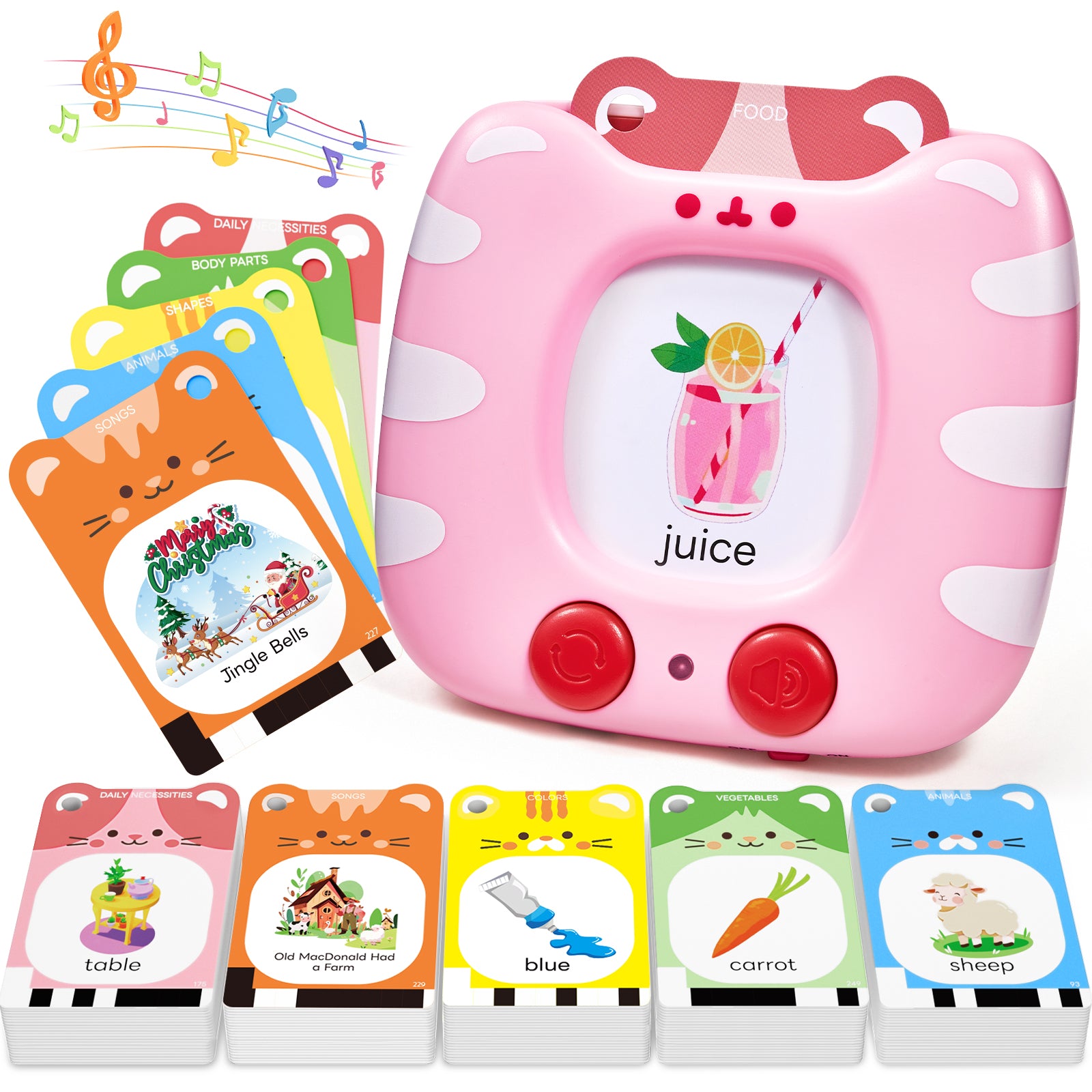
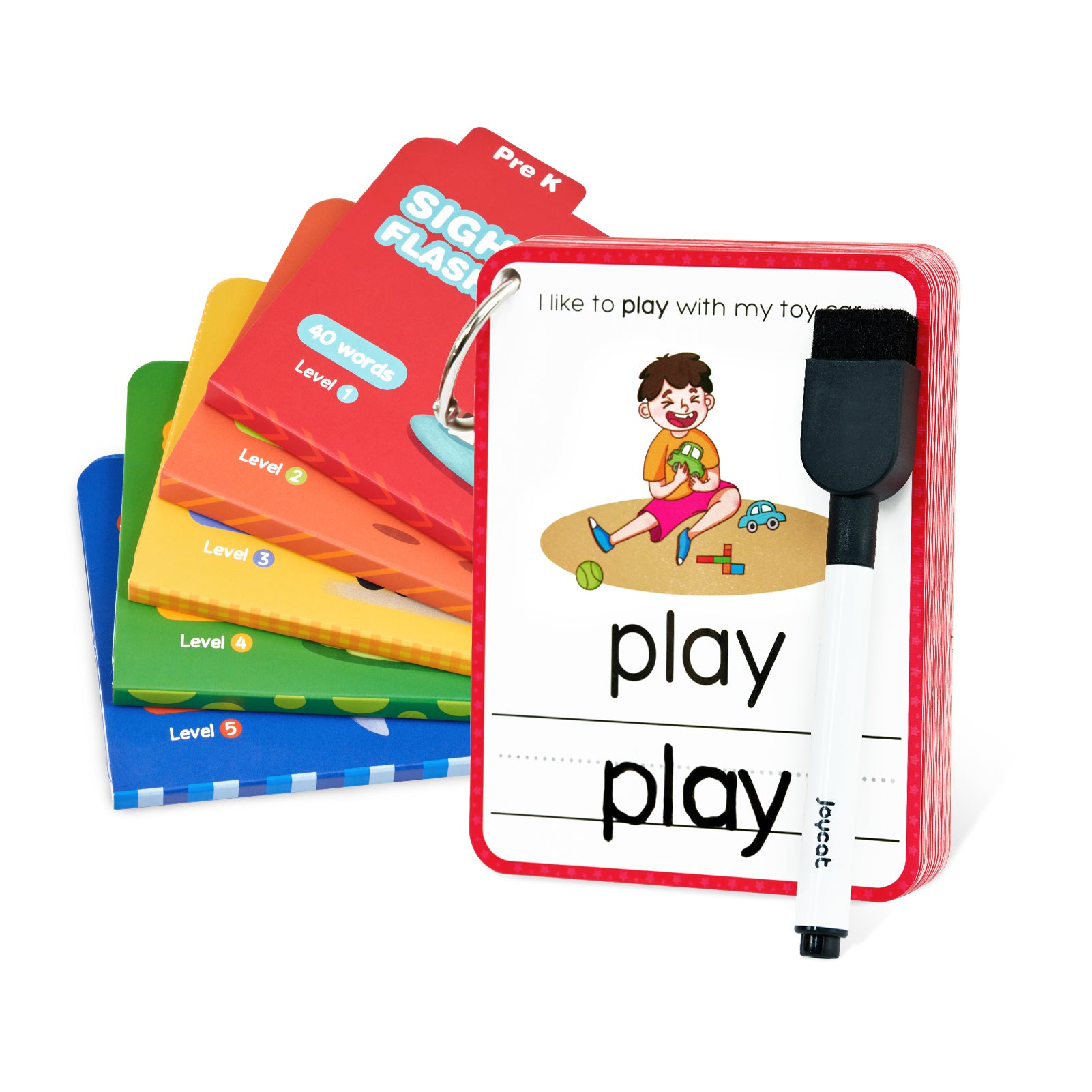
Sensory alphabet toys engage multiple senses through touch, sound, and movement, making learning more memorable and engaging for young children. They include textured letters, interactive elements, and hands-on manipulation. Traditional flash cards focus on visual recognition and are excellent for quick practice and assessment. We recommend using both approaches together for well-rounded alphabet learning.
Can these alphabet toys be used for children learning English as a second language?
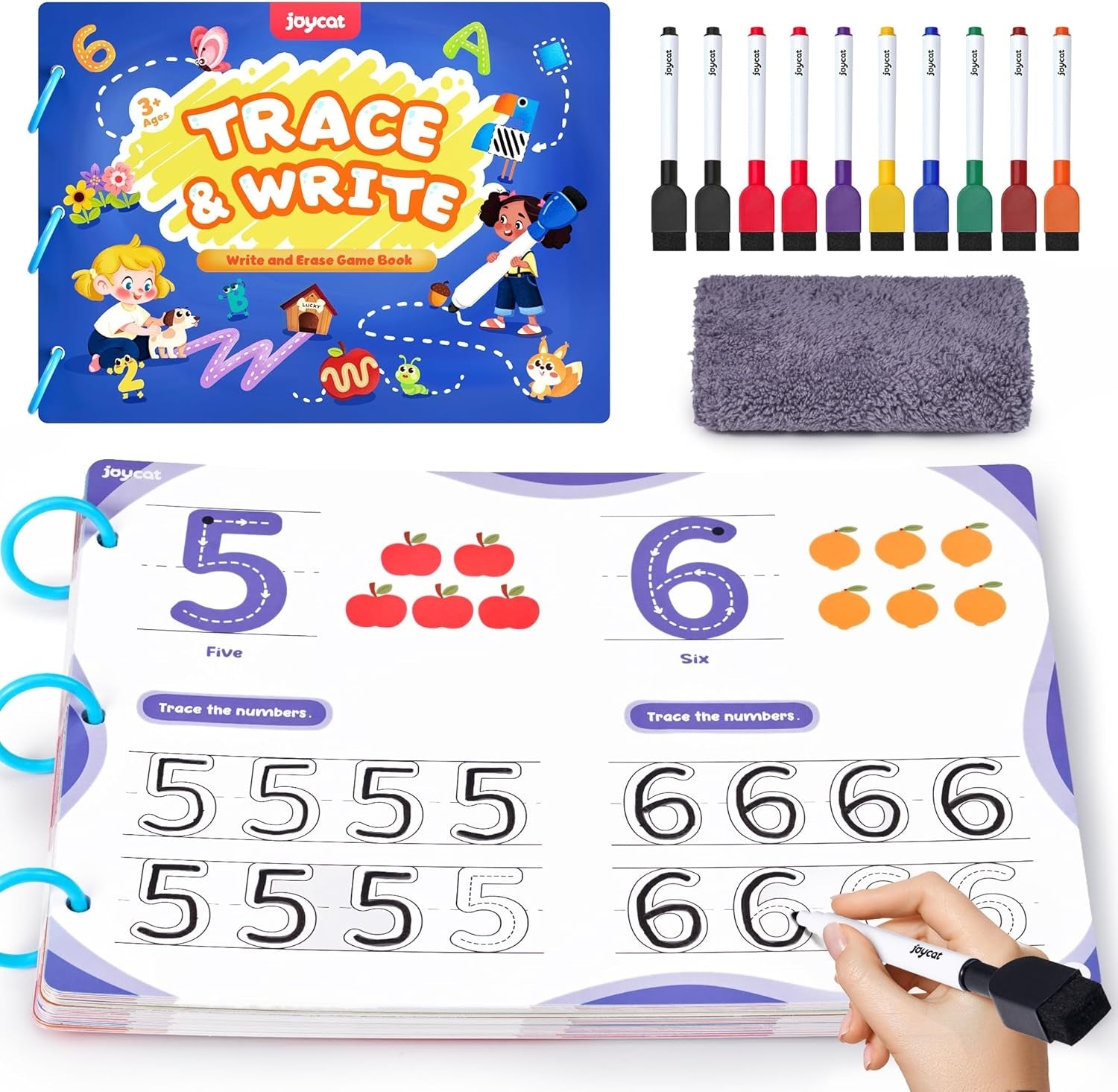
Absolutely! Our alphabet toys are excellent for ESL learners of all ages. The visual and tactile nature of these toys helps children connect letters with sounds and words without relying solely on verbal instruction. Tracing cards, sensory letters, and interactive alphabet sets provide multisensory learning experiences that support language acquisition and build confidence in English literacy skills.